Wednesday, February 20, 2008

How to Heal Depression - Part three: There Is No Need to Suffer

More than eighty percent of the people with depression can be successfully treated.


Long-term, expensive treatments are seldom necessary.


Modern treatment for most depression is antidepressant medication and short-term "talk" therapy--usually just ten to twenty sessions.


Treatment for depression is relatively inexpensive but whatever the cost, it is more than made up for in increased productivity, efficiency, physical health, improved relationships, and enjoyment of life.


Yes, life will always have its "slings and arrows of outrageous fortune," and, yes, they will hurt. But there's no need to suffer from depression as well.


For mor information click here


Stjohnsv2


Depressioncombov2


Owen Wilson tries ancient Red Indian cleansing ceremony for his depression

Owen4Washington, Oct 13 : It seems that the troubled movie star Owen Wilson has taken solace in ancient Native American remedies in order to get rid of the depression that led to his suicide attempt. The 'Wedding Crashers' star was escorted by his brothers Andrew and Luke on the trip to Arizona where they saw the new glass walkway, which allowed the tourists to look directly into the Grand Canyon. A bystander told the National Enquirer that it was on the walkway that a Hualapai medicine man performed a cleansing ceremony for the actor, waving sage over his head while dancing and chanting. "They stayed on the platform for about 30 minutes - with the medicine man chanting and dancing the entire time. Afterward, Owen seemed happy, and he was chatting with tourists," Contact music quoted the bystander, as telling. The actor landed in hospital after slashing his wrists after a reported booze and drug binge at the end of August, but is now recovering.


Stjohnsv2


Depressioncombov2

Owen in a 'cloud of depression'

Owen1SUICIDE bid star OWEN WILSON plunged into a “cloud of depression” after splitting with KATE HUDSON, a friend revealed last night. The 38-year-old Wedding Crashers actor has a reputation as a Hollywood party animal. Yet he failed to show at summer beach bashes thrown in Malibu and Beverly Hills. And pals described him as “MIA” — missing in action. One friend said Wilson’s rift with film beauty Kate late last year hit him hard. The pal added: “He seemed to go into a cloud of depression. He was down and didn’t open up. He kind of changed.”


Wilson was still under observation in a hospital detox unit after slashing a wrist and swallowing pills. He issued a plea for privacy in what he called a “difficult time” but made no mention of his suicide attempt. Pulp Fiction star SAMUEL L JACKSON was one of the first visitors to his bedside at LA’s Cedars-Sinai hospital. Friends fear Wilson was pushed over the edge by magazine photos of Kate, 28, kissing her new fella, comic DAX SHEPPARD. But rumours in the US suggested the star also had a drink and drugs problem.


And another friend said the star rowed with a close pal before cutting his wrist. Model Izabella St James told how Wilson used to be a regular at wild parties at the Playboy mansion, often leaving with two busty blondes. She said: “He liked threesomes, especially with blondes.” Wilson has dropped out of his latest movie project Tropic Thunder, which is directed by pal BEN STILLER.


Owen2Tropic Thunder was scheduled to shoot in several weeks. Other in-the-works projects such as Drillbit Taylor and Marley & Me are progressing as scheduled. Meanwhile, Owen's friends and colleagues have been quiet, awaiting his lead.


A look at Wilson's collaborations with filmmaker Wes Anderson, which he has called his most personal films, are often comedic meditations on depression, alienation and suicide:


Bottle Rocket (1996). Wilson and brother Luke star as aimless and less-than-sane buddies on a crime spree. Luke's character was recently released from a psychiatric clinic.


Rushmore (1998). Bill Murray plays a depressed industrialist who in one scene sinks himself to the bottom of a pool to isolate himself. He finds new passion competing with a prep-school student for the love of a teacher.


The Royal Tenenbaums (2001). A functional dysfunctional family is the center of this story. Wilson's real-life brother Luke acted out a stark suicide attempt, slashing his wrists in a sink.


The Life Aquatic With Steve Zissou (2004). Wilson stars as a soft-spoken young man who believes a famed oceanographer (Murray) is his father. He reveals that his mother committed suicide.


The Darjeeling Limited (2007). Wilson stars with Adrien Brody and Jason Schwartzman as estranged brothers who go on a spiritual quest in India. Wilson plays a control freak whose face and arms are scarred from a motorcycle crash that may not to be as accidental as it first seems.


We wish the best to Wilson, not because he is a star, or rich, or Hollywood-connected, but because he’s a human being with an illness, one that can be treated just as physical ailments can be treated. We hope in time he recovers and can speak openly of his struggle, because the public might be more receptive to the educational process for mental illness and its sufferers if the words come from a movie star. Any boost in education would be welcome, not just for the benefit of the millions of people who suffer from treatable mental illnesses, but for society as a whole.


Stjohnsv2

Depressioncombov2

Tuesday, February 19, 2008

How to Heal Depression - Part two: If You Need It, Get Help at Once

If you think you need help, don't hesitate. Get it at once. Call your doctor.


If you feel suicidal and are afraid you might act on it, please call 911, your doctor, a crisis prevention hotline, or go immediately to your local hospital emergency room. (Our thoughts on suicide are on page 36.)


You should also seek help at once if you...


--feel you are "coming apart"


--are no longer in control


--are about to take an action you may later regret


--turn to alcohol, drugs, or other addictive substances in time of need


--feel isolated with no one to turn to

This is no time to "be brave" and attempt to "go it alone." In fact, asking for help takes enormous courage.


For more information please click here


Stjohnsv2


Depressioncombov2

Dorothy Hamill, America's sweetheart, discusses her struggle with the demons of depression

Despite her success, Dorothy Hamill has endured intense bouts of depression that at times lead her to feel suicidal.


Hamill1Dorothy Hamill still has it: the sparkling charm, and the athletic grace that won her Olympic gold in 1976. Her dazzling smile made her America's sweetheart when she won figure skating gold in the 1976 Winter Olympics in Innsbruck, Austria. At nineteen years old, Hamill was thrust into the spotlight and mobbed for autographs. She was a star, but she didn't feel like one. "When you have that goal and you have that dream and it actually happens, you think that it would be a switch," she told CBS News correspondent Thalia Assuras. "And that all of a sudden you'd feel, you know, like an Olympic champion. And I didn't feel any different."


At 51, Hamill now recognizes that she, like some 20 million Americans, suffers from depression. It was a family secret that tarnished her Olympic gold. She reveals the truth behind her victory in her new book, "A Skating Life: My Story." My whole family," she said, "my father's side, there was a great deal of depression, and my mother's side as well."


Hamill had a strained relationship with her mother, who she said had a lot of negative feelings. "And I think passed that on to, actually, my brother and my sister as well as me," she said. The youngest of three children, it was Hamill who had the drive and determination to become a world class figure skater. And it was her mother who woke at 4 every morning to drive her to the rink. A mother, she now realizes, whose own depression often left the little girl sad and confused. "Very complicated, yes," she said of her relationship with her mother. "I'm still searching to try and figure it out."


During Hamill's proudest moment, on the Olympic podium in 1976, her mother was back at the hotel. It is a memory that still hurts. "I guess it was the one time where I really hoped that she would say, 'I'm proud of you.' Or, you know, 'We did well together,'" Hamill said. "It was kind of sad and disappointing." After the Olympics, Hamill began spiraling into different worlds. She did a famous commercial for Clairol shampoo, championing the "short and sassy" haircut. She turned pro and commanded high prices as a performer in the Ice Capades. And there was romance with Dean Paul Martin, son of the legendary Dean Martin, whom she married in 1982. She began living the Hollywood lifestyle of a movie star. "It really was a magical time," she said. "It really was."


But there was also a great deal of stress. Hamill was working herself to the point of exhaustion. Martin struggled with his own demons as the son of a star and the husband of America's sweetheart. The two divorced. A short time later, Martin was killed when his plane crashed into the San Gordino Mountains shortly after take off on a routine training mission.


Hamill still keeps his photo in her bedroom. "I think there was still that sort of sense of hope that maybe one day we would get back together," she said. But it was her second divorce, from Ken Forsythe, involving a bitter custody battle and bankruptcy after the couple's Ice Capades business failed, that drove Hamill to the brink of despair. "I would describe it as I'd be sitting there having a conversation. Everything would be fine and then I would just be in tears," Hamill said. "Uncontrollable tears, and you know, wanted to sort of - suicidal times. I was in my car and I just kinda wanted to drive into a wall, a cement wall, and be done with it. It was my daughter, just the thought of 'I would never do something so selfish as to leave her, you know, without a mom.'"


Her daughter Alex, now a freshman in college, has inherited the family illness, a struggle her mother wishes she didn't have to endure. "It's knowing the pain," she said. "You know, how just awful it is." Today, despite an active performing schedule, lots of friends and a busy life in Baltimore, Hamill still has bouts of depression. "It's all I can do to get off the couch or, you know, can't even unload a dishwasher. I mean, it really is debilitating," she said. Medication and therapy help, says Hamill. But perhaps what keeps her on track and what has kept her from complete darkness is what she's known and loved her whole life. "That sort of magical cool air and the wind at my face and music," she said. "It just sort of always lifts me out of my funk."


Stjohnsv2


Depressioncombov2
Hamill2

Staving Off Holiday Stress And Depression

I remember feeling astonished at a patient of mine in the Denver veterans' hospital who, when I discussed discharging him home for the holidays, began sobbing and asked to be allowed to stay until after Christmas. The holidays were too stressful for him, he said. When I'd moonlight in emergency rooms as a doctor in training, the number of people overcome with grief and anxiety during the December holidays always increased. So I was thrilled when Dr. Neil Price, a psychiatrist at Lawrence and Memorial Hospital, offered to write the following piece on holiday stress:
Every holiday season you can expect to see a plethora of articles abut the “holiday blues” or “Christmas
depression.” The content of these stories is as predictable as sidewalk Santas and noisemakers on New Year's Eve. What, if anything, should we take away from these depressing commentaries on the holiday scene? Are they simply a plot directed at us by the Scrooge society? After all, why aren't there any articles about Valentine's Day blues or Halloween depression? The focus is on the holiday season because at no other time of the year are so many of us subjected to so much stress. From Thanksgiving week to New Year's Day we attempt to cope with an increasing level of stress. By January it often has taken a significant toll on us both physically and emotionally. Let's examine ways of dealing with this stress.


There are two major classes of stress — biological and psychological. Biological stressors are those that directly affect our bodies. As the days get shorter in November and December (January February), many people are significantly affected by the decreasing availability of sunlight. This causes them to get out of sync with their normal biological rhythm. After several weeks of this, they feel increasingly fatigued, which may affect their ability to function.


In addition, the decreased sunlight causes an increased appetite with a pronounced craving for sweets, which can bring on undesirable weight gain. All of these changes are a part of what is called seasonal affective disorder, or SAD. SAD is particularly troublesome during the holiday season when there are increased demands on our time and energy.


Several ways to reduce these effects include getting out during the sunny days, avoiding sunglasses and keeping offices and homes well lit. If these fail, a psychiatrist can prescribe photo therapy (a specific type of artificial lighting), which can dramatically reverse the seasonal symptoms.


Another potent biological stressor is the increased intake of alcohol. It is common practice to give alcohol as a gift and alcohol can flow at the endless succession of holiday parties. Increased alcohol consumption may cause fatigue, weight gain and depression. If you are in a recovery program, work your program energetically during this season. For everyone else, moderation is the rule.


The most common biological stressor is the increased physical demands during the holidays. Already jam-packed daily schedules are stretched to the limit by the extra time and energy needed for shopping, partying and traveling. Try to maintain control of your schedule and get enough rest. This will probably mean saying no to some demands. If you haven't said no a few times by the end of December you're probably not protecting yourself enough.


Psychological stressors cause emotional conflict. For example, many people re-experience feelings of grief and sadness during the holidays for loved ones who are no longer with us. The holidays make us reminisce. Separation due to death, divorce or war makes us particularly sad. It is important to express feelings of grief and pain so that family and friends can offer support.


One especially potent psychological stressor is belief in the “Santa myth.” Some believe that Santa or someone else needs to give them exactly what they desire and, if not, they feel cheated and unhappy. Belief in this myth sets us up for unhappiness and creates other difficulties as well. We might use credit cards, for example, to make all of our holiday wishes come true. When the bills come due, however, stress levels may go through the ceiling. It is important to keep expectations realistic and keep in mind the true meaning of the celebration.


It might seem that significant numbers of people simply fall apart during the holiday season. This, however, is not the case. Even though people are subjected to more stress, they are helped by the “holiday spirit” or the “Christmas spirit.” This spirit of hope and peace and brotherhood provides a real sense of support.


When January arrives, however, that sense of support disappears, often leaving people depressed and anxious. It is then we see increased numbers seeking treatment. The key for avoiding January depression is to use good judgment during the holiday season.


Jon Gaudio is a cardiologist in New London. Neil Price is medical director at L&M Hospital's Counseling Center.


Stjohnsv2


Depressioncombov2

Depression - Six Tips for Happiness

1. Give yourself permission to be human. When we accept emotions -- such as fear, sadness, or anxiety -- as natural, we are more likely to overcome them. Rejecting our emotions, positive or negative, leads to frustration and unhappiness.


2. Happiness lies at the intersection between pleasure and meaning. Whether at work or at home, the goal is to engage in activities that are both personally significant and enjoyable. When this is not feasible, make sure you have happiness boosters, moments throughout the week that provide you with both pleasure and meaning.


3. Keep in mind that happiness is mostly dependent on our state of mind, not on our status or the state of our bank account. Barring extreme circumstances, our level of well being is determined by what we choose to focus on (the full or the empty part of the glass) and by our interpretation of external events. For example, do we view failure as catastrophic, or do we see it as a learning opportunity?


4. Simplify! We are, generally, too busy, trying to squeeze in more and more activities into less and less time. Quantity influences quality, and we compromise on our happiness by trying to do too much.


5. Remember the mind-body connection. What we do -- or don't do -- with our bodies influences our mind. Regular exercise, adequate sleep, and healthy eating habits lead to both physical and mental health.


6. Express gratitude, whenever possible. We too often take our lives for granted. Learn to appreciate and savor the wonderful things in life, from people to food, from nature to a smile.


Stjohnsv2


Depressioncombov2

SAMHSA, an agency in the Department of Health and Human Services

SAMHSA, an agency in the Department of Health and Human Services, is the Federal Government's lead agency for improving the quality and availability of substance abuse prevention, addiction treatment, and mental health services in the United States.


Students are flocking to Tal Ben-Shahar's class at Harvard University for some insights into the nature of happiness. So much so that Psychology 1504, or "Positive Psychology," has become the most popular course on campus. Twice a week, some 900 students attend class on what he calls "how to get happy." Mr. Shahar believes he achieved personal happiness by taking himself off the tenure track, the rational being that not having to publish makes him happy. His class offers research from the relatively new field of positive psychology, which focuses on what makes people happy, rather than just their pathologies.


What is happiness?


Happiness is a combination of meaning and pleasure. A happy life is one that has meaningful, purposeful, significant, important experiences. And it's a life that one experiences pleasure in. It's enjoying the journey and the destination.


You cite a study in "Happier" that found 50% of people were unhappy at work. Why is that?


Some haven't found the work that provides them a personal sense of purpose, significance and meaning. More importantly, though, most people fail to appreciate what they have at work. They fail to appreciate the potential for a sense of well-being that exists right in front of them.


Who is happier, the CEO or the clerk?


They're equally happy. That's the thing about happiness. It's the great equalizer between people of different socioeconomic levels, different ethnicities, different countries. The only difference in terms of happiness levels is among countries where there is no democracy, where there is oppression, where there is legalized discrimination.


Who is more responsible for an employee's happiness, himself or his boss?


Both. It's up to the boss to ask the right questions of the employee: "What would give you meaning? What are your strengths?" And cultivate those. But first and foremost it's up to the employee, and very often the employee doesn't take the responsibility. Studies have found that hospital cleaners can enjoy their work more than doctors if they perceive the meaningful part of the work and focus on it. For example, seeing their jobs not just as removing trash and washing dirty linens but contributing to patients' well-being and the smooth functioning of the hospital.


Name one thing employees can do to be happier?


Often people are asked to write a job description. I would urge people to write a calling description. Describe your work to someone who doesn't know what you're doing. What in your work is making a difference in people's lives? You can do that whether you are an investment banker or working in a homeless shelter. When you focus on that, it increases your level of well-being.


What's the relationship between money and happiness?


It's tenuous at best. Once our basic needs -- shelter, education, food -- are met, money makes very little difference to our sense of well-being. A lot of people are under the impression that money will make them happier. They are struggling for more money, a promotion, more prestige and power. The reason there are so many very unhappy, very successful people is that for their entire lives they have lived under the assumption that once they "make it," they'll be happy. Then they get there, and they realize there's no "there" there. That's when they become despondent. That's why so many celebrities are on drugs and alcohol. They've made it, they have all the men and women, and all the money they want, and yet they're unhappy. This model of once you make it, you'll be happy -- it's simply the wrong guiding principle.


There are a lot of people in the world like that. What would you advise them to do?


Happiness is mostly contingent not on our status or the state of our bank account, but our state of mind. What that means is learning to not take for granted the positive and what's working in our lives. It means expressing gratitude, and finding activities that are meaningful and pleasurable. It also means acts of kindness. The more we give, the happier we become, the happier we become, the more we give. It's an upward spiral.


Are Californians happier than New Yorkers?


There's research on this. Californians are not happier than New Yorkers, despite the weather. Why? Because we usually adapt very quickly to the external.


Is Disneyland really the "Happiest Place on Earth"?


Well, their mission statement is to make people happy. I think it's a wonderful thing. It's a happy place. The question is, how to have more happiness in our day-to-day lives, once we leave Disneyland.


Author Walter Mosley has said we should not ask: "Am I happy or unhappy?" but "How important is it to be happy?" What do you say to that?


I disagree. I think one of the most important questions to ask is: "How can I become happier?" It is a lifelong journey and it is an important journey -- as an end as well as a means. In terms of an end, it's good to feel good. It doesn't need any more justification than that. All else being equal, I'd rather be happy than unhappy. But also as a means. Happy people, all other things being equal, enjoy more physical health, and actually live longer. They are more creative, more energetic, more motivated. And they are more generous and benevolent toward other people. So there is every reason in the world to aspire to higher levels of happiness.


Stjohnsv2


Depressioncombov2

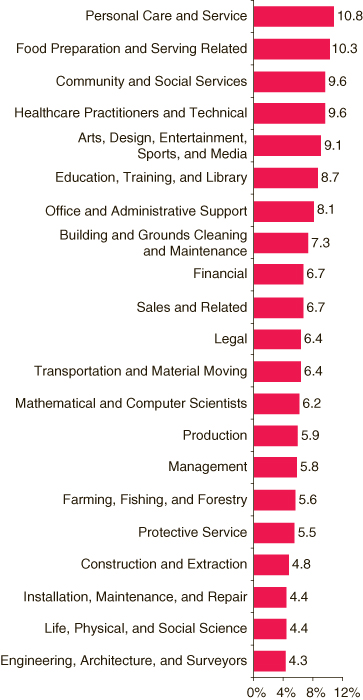
US Government study on depression among adults employed full-time, by occupational category

Depression can seriously impact a person's ability to perform routine activities at work. It negatively affects U.S. industry through lost productivity, employee absenteeism, and low morale.1,2 U.S. companies lose an estimated $30 to $44 billion dollars per year3,4 because of employee depression. Research shows that the rate of depression varies by occupation and industry.

The National Survey on Drug Use and Health (NSDUH) includes questions for adults aged 18 or older to assess lifetime and past year major depressive episode (MDE).5 In NSDUH, MDE is defined using the diagnostic criteria set forth in the 4th edition of the Diagnostic and Statistical Manual of Mental Disorders (DSM-IV),6 which specifies a period of 2 weeks or longer during which there is either depressed mood or loss of interest or pleasure and at least four other symptoms that reflect a change in functioning, including problems with sleep, eating, energy, concentration, and self-image.7 NSDUH also asks respondents about their current employment situation and the type of occupation and industry in which they work. NSDUH defines full-time employed respondents as those who usually work 35 or more hours per week and who worked in the past week or had a job despite not working in the past week.


This issue of The NSDUH Report uses data from the combined 2004 to 2007 surveys to present estimates of past year MDE among full-time workers aged 18 to 64 by occupational category.


MDE, by Employment Status

Combined data from 2004 to 2007 indicate that the prevalence of past year MDE among adults aged 18 to 64 was higher among the unemployed and those of "Other" employment status than among persons employed part time or full time (Table 1). Among adults aged 18 to 64, an estimated 12.7 percent of those who were unemployed and 12.7 percent of those in the "Other" group experienced an MDE in the past year compared with 9.3 percent of those employed part time and 7.0 percent of those employed full time.


Table 1. Past Year Major Depressive Episode (MDE) among Persons Aged 18 to 64, by Employment Status: 2004-2007 Combined


Employment StatusPercentNumber in Thousands
Total  8.615,531
Full-Time  7.0  8,143
Part-Time  9.3  2,277
Unemployed12.7     911
Other*12.7  4,200


Source: SAMHSA, 2004, 2005, 2006, and 2007 NSDUHs.


Reflecting the fact that over half of the adult population (64.3 percent) were employed full time, a majority of those who experienced an MDE in the past year also were employed full time. From 2004 to 2006, over half of all persons aged 18 to 64 who experienced a past year MDE (52.4 percent) were employed full time.


MDE, by Occupational Category


Among the 21 major occupational categories, the highest rates of past year MDE among full-time workers aged 18 to 64 were found in the personal care and service occupations (10.8 percent) and the food preparation and serving related occupations (10.3 percent) (Figure 1). The occupational categories with the lowest rates of past year MDE were engineering, architecture, and surveying (4.3 percent); life, physical, and social science (4.4 percent); and installation, maintenance, and repair (4.4 percent).


Figure 1. Past Year Major Depressive Episode (MDE) among Full-Time Workers Aged 18 to 64, by Occupational Categories**: 2004-2007 Combined


AdultDepressionFig1


Figure 1 Table. Past Year Major Depressive Episode (MDE) among Full-Time Workers Aged 18 to 64, by Occupational Categories**: 2004-2007 Combined


Occupational CategoriesPercent
Personal Care and Service10.8%
Food Preparation and Serving Related10.3%
Community and Social Services  9.6%
Healthcare Practitioners and Technical  9.6%
Arts, Design, Entertainment, Sports, and Media  9.1%
Education, Training, and Library  8.7%
Office and Administrative Support  8.1%
Building and Grounds Cleaning and Maintenance  7.3%
Financial  6.7%
Sales and Related  6.7%
Legal  6.4%
Transportation and Material Moving  6.4%
Mathematical and Computer Scientists  6.2%
Production  5.9%
Management  5.8%
Farming, Fishing, and Forestry  5.6%
Protective Service  5.5%
Construction and Extraction  4.8%
Installation, Maintenance, and Repair  4.4%
Life, Physical, and Social Science  4.4%
Engineering, Architecture, and Surveyors  4.3%


Source: SAMHSA, 2004, 2005, 2006 and 2007 NSDUHs.


MDE, by Demographic Characteristics and Occupational Category


Among full-time workers aged 18 to 64, females were more likely than males to have a past year MDE (10.1 vs. 4.7 percent). The highest rates of past year MDE among female full-time workers aged 18 to 64 were found in the food preparation and serving related occupations (14.8 percent) and community and social service occupations (13.3 percent) (Table 2). The highest rates of past year MDE among male full-time workers aged 18 to 64 were found in the arts, design, entertainment, sports, and media occupations (6.7 percent). The lowest rates of past year MDE among both males and females were found in life, physical, and social science occupations (2.3 percent for males and 7.2 percent for females).


Table 2. Past Year Major Depressive Episode (MDE) among Full-time Workers Aged 18 to 64, by Demographic Characteristics and Occupational Categories**: 2004-2007 Combined


Occupational CategoryGenderAge Group
MaleFemale18 to 2526 to 3435 to 4950 to 64
Personal Care and Service***10.3  9.810.512.2  9.7
Food Preparation and Serving Related  5.414.811.5  9.011.9  5.6
Community and Social Services  4.413.310.315.6  7.4  8.3
Healthcare Practitioners and Technical  6.010.711.9  9.311.3  6.3
Arts, Design, Entertainment, Sports, and Media  6.712.5  7.513.5  7.2  8.0
Education, Training, and Library  6.3  9.6  8.8  8.411.7  5.4
Office and Administrative Support  5.2  9.310.9  8.9  8.2  5.9
Building and Grounds Cleaning and Maintenance  4.511.8  7.2  5.0  9.7  5.3
Financial  5.5  7.9  8.7  7.9  3.8  9.8
Sales and Related  4.210.010.1  9.1  5.9  3.6
Legal  4.6  8.2***  6.0  6.3***
Transportation and Material Moving  5.810.6  8.1  6.7  5.4  6.7
Mathematical and Computer Scientists  4.610.4  8.2  7.7  6.7***
Production  4.9  8.5  7.3  7.4  6.0  3.7
Management  3.3  9.510.2  7.4  5.4  4.8
Farming, Fishing, and Forestry  5.4***11.0***  2.6***
Protective Service  3.5***  5.7  2.1  6.5***
Construction and Extraction  4.5***  4.5  4.7  5.3  4.0
Installation, Maintenance, and Repair  4.3***  5.1  3.8  6.3***
Life, Physical, and Social Science  2.3  7.2  4.3  4.9  6.1***
Engineering, Architecture, and Surveyors  3.311.1  6.9  2.5  4.5  4.6


Source: SAMHSA, 2004, 2005, 2006 and 2007 NSDUHs.


Full-time workers aged 18 to 25 were more likely to have a past year MDE than full-time workers in all other age groups (8.9 percent for those aged 18 to 25; 7.6 percent for those aged 26 to 34; 7.2 for those aged 35 to 49; and 5.1 percent for those aged 50 to 64). Among full-time workers aged 18 to 25, the highest rates of past year MDE were found in the health care practitioners and technical occupations (11.9 percent) and the lowest in the life, physical, and social science occupations (4.3 percent).


Stjohnsv2


Depressioncombov2

Strategies to improve your job satisfaction

Depending on the underlying cause of your dissatisfaction, there may be several ways to increase your job satisfaction.


Set new challenges


If you're stuck in a job because of lack of education or a downturn in the economy, it doesn't mean your work has to become drudgery. With a little imagination, you can create new challenges and make the best of the job you have. Here are some ideas that may help.


  • Improve your job skills. Imagining yourself in your dream job, you might see yourself as an excellent project manager — a confident communicator and a highly organized person. Why not work on these skills in your present job?


  • Develop your own project. Take on a project that can motivate you and give you a sense of control. Start small, such as organizing a work-related celebration, before moving on to larger goals. Working on something you care about can boost your confidence.


  • Mentor a co-worker. Once you've mastered a job, you may find it becoming routine. Helping a new co-worker or an intern advance his or her skills can often restore the challenge and the satisfaction you desire.


Beat the boredom


Does your job seem boring sometimes? Do you run out of things to do? If so, your abilities may not match your responsibilities. Here are some suggestions:


  • Break up the monotony. Take advantage of your work breaks. Read. Listen to music. Go for a walk. Write a letter.


  • Cross-training. Does your work consist of repetitive tasks, such as entering data into a database or working on an assembly line? Talk with your boss about training for a different task to combat boredom. Once you've completed the training, you can switch back and forth.


  • Volunteer for something different. If you hear that your company is launching a new project, volunteer for the work team.


  • Ask for a new challenge. If you're comfortable doing so, tell your supervisor you're a little bored with what you're doing and would like a new challenge.

Keep in mind that boredom can be deadly if your job entails working with machinery or caring for people. If your mind wanders to the point that you put your life or the lives of others in jeopardy, take action. Talk to your supervisor about new challenges you can take on or seek a new position.


Stay positive


Use positive thinking to reframe your thoughts about your job. Changing your attitude about work won't necessarily happen overnight. But if you're alert to ways your view of work brings you down, you can improve your job satisfaction. Try these techniques:


  • Stop negative thoughts. Pay attention to the messages you give yourself. When you catch yourself thinking your job is terrible, stop the thought in its tracks.


  • Put things in perspective. Remember, everyone encounters good days and bad days on the job.


  • Look for the silver lining. "Reframing" can help you find the good in a bad situation. For example, you receive a less than perfect performance appraisal and your boss warns you to improve or move to another job. Instead of taking it personally or looking for another job right away, look for the silver lining. Depending on where you work, the silver lining may be attending continuing education classes, working closely with a performance coach and having the satisfaction of showing your boss you're capable of change.


  • Learn from your mistakes. Failure is one of the greatest learning tools, but many people let failure defeat them. When you make a mistake at work, learn from it and try again.


  • Be grateful. Gratitude can help you focus on what's positive about your job. Ask yourself, "What am I grateful for at work today?" If it's only that you're having lunch with a trusted co-worker, that's OK. But find at least one thing you're grateful for and savor it.

Whether your work is a job, a career or a calling, you can take steps to restore meaning to your job. Make the best of difficult work situations by being positive. Doing so will help you manage your stress and experience the rewards of your profession.


Stjohnsv2


Depressioncombov2

Monday, February 18, 2008

Ultra potent Human Growth Hormone real testimonial

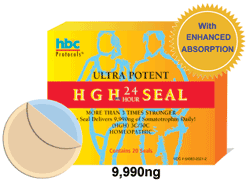
HghsealboxmockupPlease send me more of the ultra potent seals. I have been applying the hgh patch on the right side of my face because the skin is just not as taught. It is under the right eye. This seems to help a lot. At first I thought it was the adhesive in the patch so I tried scotch tape but that wasn't it. it was not the same result. I wear them when I sleep. I get two days out of a patch.


Betsy N.

Gretna, NE


Depressioncombov2

Saturday, February 16, 2008

Estrogen and Depression

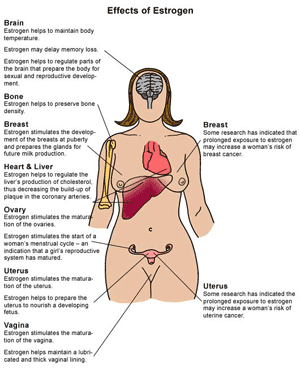
Estrogen_depression1Hormonal fluctuations in both women and men account for their aberrations in their thinking, behavior, moods, and their sexuality, expressed in the symptoms of depression. The crucial question is: Given its close connection with depression, is estrogen an antidepressant? Research scientists have conducted various studies, which have indicated the impact of estrogen on the brain with respect to memory function and postmenopausal women. According to their studies, approximately 35 percent of women have mild premenstrual physical and depressive symptoms due to the rapid decline in estrogen level. Among the pathways, estrogen plays a critical role in the proper flow of blood to different parts of the brain, thereby instrumental in optimizing emotion, memory, and cognitive functions. Prior to the actual onset of menopause, estrogen level in women significantly decreases as much as 50 to 75 percent. This may explain why women not only experience depression twice as much as men do but also are two times more likely to be hospitalized in their lifetimes. This discrepancy has little to do with the fact that women seek psychiatric help more frequently than men do, or the fact that women are more stressed out than men are.


Following pregnancy, women also experience a drastic decline in estrogen level. Consequently, 50 to 70 percent women experience postpartum depression within the first 10 days following delivery, and approximately 10 percent may suffer a major depression. According to a study, more than 60 percent with postpartum depression may develop depression later in life. During menopause and perimenopause, women's dramatic decline in estrogen level makes them more vulnerable to extreme mood swings. Many studies attest to the close link between estrogen and mood swings.


An NIH (National Institutes of Health) study on the role of estrogen as an antidepressant indicated that women patients receiving high-dose estrogen experienced significant improvement in their symptoms of depression. In addition, their improvement sustained beyond the study period. Scientists have to believe that estrogen and other hormones may benefit those patients with treatment-resistant depression. The rational is based on the assumption that antidepressants may only boost the "level" of neurotransmitters but without enhancing the "quality" of those transmitters, and therefore may not be efficacious in treating some depression, especially those with low estrogen and testosterone levels.


Studies have also indicated that patients suffering from anxiety, another mood-related disorder attributed to peri- and postmenopausal depression. Symptoms of anxiety, such as dry mouth, waking up in the middle of the night short of breath, excessive sweating, and nausea, can be relieved with estrogen treatment.


Other hormones that may play havoc with depression are testosterone and the thyroid hormone. Testosterone, which is responsible for energy and sexual function in women as well, has an antidepressant effect on the brain. Therefore, a decline in testosterone may precipitate depressive episodes. Disorder in the thyroid hormone may produce paranoid delusions in patients suffering from bipolar depression.


SMphytoest


This remarkable coenzyme, which occurs naturally in younger bodies, but gradually diminishes with age, may very well be one of your best defenses against disease and aging... 


Depressioncombov2


Friday, February 15, 2008

Oleoyl-estrone and body fat

Another naturally circulating hormone found in humans. First researched at the University of Barcelona it was found to induce body-fat loss while preserving protein stores. This is important because most diets that induce fat loss are also responsible for protein loss as well. The ultimate goal of any diet agent is to preserve protein. Researchers are speculating that OE does so by lowering the body's body fat set point which allows the body to maintain a reduced body fat without experiencing a hormonal response aimed at regaining lost body fat. OE is currently licensed to Manhattan Pharmaceuticals and Phase I trials were conducted in Switzerland. The results were promising. They showed OE to lead to some weight loss after just 7 days of dosing and most importantly in the treatment groups this weight loss was maintained for 3 further weeks after treatment had stopped. A Phase IIa trial of 100 patients are in motion.


Depressioncombov2

Growth Hormone / 7 Keto DHEA synergy

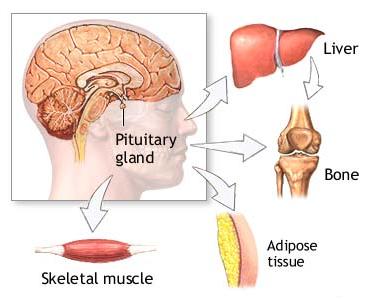
Growth hormone2The decline of our fundamental hormones is directly associated with certain aging signs like shrinkling of the skin, graying of the hair, decreased energy and sexual function, increased body fat, heart disease, weak and brittle bones, and much more. The good news is that DHEA and growth hormone, when properly supplemented, can significantly relieve these physical signs and restore energy levels, bone strength, hair color, more youthful appearing skin, and for most people, an increased, youthful muscle mass while simultaneously reducing body fat.  As I mentioned earlier, DHEA enhances insulin-like growth factor -1 (IGF-1) release. IGF-1 (formerly called "Somatomedin C") is the "hidden anabolic power behind the throne" of growth hormone (GH).


Human growth hormone is secreted by the anterior pituitary gland. In 1985, biosynthetic human growth hormone replaced pituitary-derived (the cadavers of dead babies) human growth hormone for therapeutic use in the U.S. and elsewhere. Biosynthetic human growth hormone, also referred to as recombinant human growth hormone, somatropin and is abbreviated as rhGH.


Growth hormone can generally be described as anabolic (building up). Like most other protein hormones GH acts by interacting with a specific receptor on the surface of cells. Although height growth is the best known effect of GH, it serves many other metabolic functions as well.


GH increases calcium retention, and strengthens and increases the mineralization of bone. It increases muscle mass through the creation of new muscle cells (which differs from hypertrophy), and it also promotes lipolysis, which results in the reduction of adipose tissue (body fat). As well, it increases protein synthesis and stimulates the growth of all internal organs excluding the brain.


Deficiency of GH produces significantly different problems at various ages. In children, growth failure and short stature are the major manifestations of GH deficiency. In adults the effects of deficiency are more subtle, and may include deficiencies of strength, energy, and bone mass, as well as increased cardiovascular risk.


Depressioncombov2

7 Keto DHEA

7Keto7-keto DHEA  (also called "7-oxo DHEA,)" is almost identical in structure to DHEA is a safe metabolite of DHEA that does not convert into androgens or estrogens.  It is like a predigested version of DHEA that has been cleaned up, denuded of its harmful anabolic properties. Interestingly, when applied topically to our skin, some of it is converted into 7 Keto DHEA.


7 Keto DHEA sits at the helm of the endocrine system, a platform that it shares with Growth Hormone7- keto DHEA increases thermogenic enzymes in the liver. It has been demonstrated to increase IL-2 production better than DHEA, in human lymphocytes.  IL-2 is the key cytokine regulator of T-helper cells. It activates the immune system to "go into battle" against invading pathogens.


In terms of fat reduction and energy: 7-keto-DHEA decreases the efficiency of energy production in the body meaning that more fats have to be burned to produce the same amount of useable energy. This results in loss of fat. To achieve this result doses of 350 to 1400 mg/day must be used. It is especially powerful when taken in conjunction with Homeopathic HGH.


Immunity: 7-keto-DHEA treatment caused an increase in anti-viral antibodies to some of the viruses however a proper dosage level has not been determined.


Hormonal effects: 7-keto-DHEA does not metabolize to estrogens or testosterone.


Safety: The only side effect (of very high doses) of this substance appears to be excess salivation in monkeys.


Human Growth Hormone (HGH) is one of many endocrine hormones such as testosterone, estrogen, melatonin, and DHEA, which decline in production with age. While some of these hormones can reduce the effects of aging, only HGH and IGF-1 go far beyond the scope of the other hormones to prevent biological aging and also to reverse a broad range of symptoms associated with aging and even certain diseases of aging.


Depressioncombov2


DHEA / 7-keto DHEA Growth Hormone and safe synergy

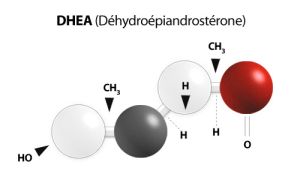
Dhea_smallThousands of scientific articles have been published about this powerful hormone’s anti-depression, anti-obesity, anti-carcinogenic, anti-stress, immune-enhancing, anti-viral and anti-bacterial, anti-aging and anti-heart disease effects. DHEA’s reach into the human condition is so penetrating and powerful that it could easily fill books of encyclopedic proportions. Start anywhere. DHEA enhances insulin-like growth factor -1 (IGF-1) release. IGF-1 (formerly called "Somatomedin C") is the "hidden anabolic power behind the throne" of growth hormone (GH).  The now famous Morales/Yen study found that DHEA boosted a 10% rise in serum IGF-1 levels. At the same time it has shown anti cortisol effects. You will recall that cortisol is the stress hormone that causes a build up in the mid section of the body.


So, why doesn’t everyone supplement with DHEA? Too much crude DHEA significantly boosts androgen and estrogen. The androgen can potentially cause facial hair in women, acne, enlarged clitoris, abdominal fat, hyper-glycemia and insulin resistance, and breasts in men. I don't think anyone needs another reason not to take it.


Depressioncombov2

Food and Drug Administration (FDA) ALERT Viagra, Cialis, Levitra

FDAA small number of men have lost eyesight in one eye some time after taking Viagra, Cialis, or Levitra. This type of vision loss is called non-arteritic anterior ischemic optic neuropathy (NAION). NAION causes a sudden loss of eyesight because blood flow is blocked to the optic nerve.


We do not know at this time if Viagra, Cialis, or Levitra causes NAION. NAION also happens in men who do not take these medicines. People who have a higher chance for NAION include those who:


  • have heart disease


  • are over 50 years old


  • have diabetes


  • have high blood pressure


  • have high cholesterol


  • smoke


  • have certain eye problems

FDA has approved new labels for Viagra, Cialis, and Levitra to include information on possible eyesight loss (NAION).


Stop using Viagra, Cialis, or Levitra if you have a loss in your eyesight. Get medical help right away.


This information reflects FDA's current analysis of data available to FDA concerning this drug. FDA intends to update this sheet when additional information or analyses become available.


What is Viagra?


Viagra is a prescription medicine taken by mouth for the treatment of erectile dysfunction (ED) in men. ED is a condition where the penis does not harden and expand when a man is sexually excited, or when he cannot keep an erection. Viagra may help a man with ED get and keep an erection when he is sexually excited. Viagra must be used only under a doctor's care.


Viagra does not:


  • cure ED


  • increase a man's sexual desire


  • protect a man or his partner from sexually transmitted diseases, including HIV. Speak to your healthcare professional about ways to guard against sexually transmitted diseases.


  • serve as a male form of birth control

Viagra is only for men with ED. Viagra is not for women or children. Viagra must be used only under a healthcare professional's care.


Who Should Not Take Viagra?


Do not take Viagra if you:


  • take any medicines called "nitrates"


  • use recreational drugs called "poppers" like amyl nitrate and butyl nitrate


  • have been told by your healthcare professional to not have sexual activity because of health problems

What are The Risks?


The following are the major possible risks and side effects of Viagra therapy. This list is not complete.


Viagra can cause your blood pressure to drop suddenly to an unsafe level if it is taken with certain other medicines such as nitrates and alpha-blockers, and recreational drugs that contain nitrates called "poppers". A sudden drop in your blood pressure could cause you to become dizzy, faint, or have a heart attack or stroke.


Tell all your healthcare professionals that you take Viagra. If you need emergency medical care for a heart problem, it will be important for your healthcare professionals to know when you last took Viagra.


Viagra may uncommonly cause:


  • an erection that won't go away (priapism)


  • vision changes, such as seeing a blue tinge to objects or having difficulty telling the difference between the colors blue and green

Some common side effects with Viagra include:


  • headache


  • flushing


  • upset stomach


  • stuffy or runny nose


  • urinary tract infection


  • diarrhea

What Should I Tell My Healthcare Professional?


Tell your healthcare professional if you:


  • have or had heart problems


  • have low blood pressure or have high blood pressure that is not controlled


  • have had a stroke


  • have liver problems


  • have ever had severe vision loss


  • have kidney problems or require dialysis


  • have retinitis pigmentosa, a rare genetic (runs in families) eye disease


  • have stomach ulcers


  • have a bleeding problem


  • have a deformed penis shape or Peyronie's disease


  • have had an erection that lasted more than 4 hours


  • have blood cell problems such as sickle cell anemia, multiple myeloma, or leukemia


  • are taking a medicine called a protease inhibitor for the treatment of HIV


  • are taking medicines called alpha blockers (alpha blockers are sometimes prescribed for prostate problems or high blood pressure)

Can Other Medicines or Food Affect Viagra?


Viagra and certain other medicines can interact with each other. Tell your healthcare professional about all the medicines you take including prescription and non-prescription medicines, vitamins, and herbal supplements. Know the medicines you take. Keep a list of them with you to show your healthcare professional.


Date created: July 8, 2005, updated October 2, 2007


Thyroid eye disease: an unusual presentation British Journal of Ophthalmology J Shankar,1 C P Noonan,2 P Mathew,2 and S Hanif2 1Royal Liverpool University Hospital, Prescot Street, Liverpool L7 8XP, UK 2Warrington General Hospital, Warrington, UK Correspondence to: Jai Shankar, Royal Liverpool University Hospital, Prescot Street, Liverpool L7 8XP, UK;
Accepted December 9, 2002. Keywords: Viagra, proptosis, sildenafil, thyroid.


Viagra (Sildenafil) is an oral preparation for the treatment of male erectile dysfunction. Although the drug is marketed solely for its therapeutic purposes, it has high potential for abuse owing to its ability to intensify and prolong erectile response. We describe here an ocular side effect following its use as a recreational drug, which led to the diagnosis of thyroid eye disease.


Side Effects Of Cialis?


The most common side effects found in the clinical trial of Cialis were headache, muscle pain( myalgia ), upset stomach ( dyspepsia ) and back pain. Lower doses produced correspondingly reduced side effects.


Who should Not Take Cialis?


Cialis® is only for patients with ED. Cialis® is not for newborns, children, or women. Do not let anyone else take your Cialis® . Cialis® must be used only under a health care providers supervision. Before you start any treatment of Cialis®, be sure to ask your Health Care Provider if your heart is healthy enough. If youre a man who uses nitrate drugs, like nitroglycerine, never take Cialis®. The combination of Cialis® and nitrates can make your blood pressure suddenly drop to unsafe levels. You could get dizzy, faint, or even have a heart attack or stroke. Nitrates are found in many prescription medications that are used to treat angina (chest pain due to heart disease) such as: Nitroglycerin (sprays, ointments, skin patches or pastes, and tablets that are swallowed or dissolved in the mouth) Isosorbide mononitrate and isosorbide dinitrate (tablets that are swallowed, chewed, or dissolved in the mouth) Nitrates are also found in recreational drugs such as amyl nitrate or nitrite ("poppers"). If you are not sure if any of your medications contain nitrates, or if you do not understand what nitrates are, ask your health care provider or pharmacist.


Case report


A 30 year old white man was referred to the eye clinic, with a history of waking up one morning with a left proptosis, having had no ocular signs or symptoms the previous day. The patient did not have any subjective symptoms of pain, redness, change in visual acuity, double vision, or of hearing any sounds. There was no history of direct or indirect trauma. He gave a history of having acquired a tablet of Viagra from a friend at a Christmas party. He ingested half and gave half to his partner. The exact dosage strength was unknown. His partner noticed increased visibility of the white of the eye under the left upper lid. He was otherwise healthy and was taking no medication.


Visual acuity was 6/5 unaided in each eye. Ocular examination showed a 3 mm axial non-pulsatile left proptosis. He was orthophoric and ocular movements were unrestricted. Anterior segment examination showed generalised conjunctival engorgement on both sides, more on the left than the right. Pupils were normally reacting and fundus examination was unremarkable. Intraocular pressure was normal with no significant difference between straight gaze and up gaze. Auscultation over the globe revealed no bruit.


The clinical findings along with the acute onset history led us to suspect superior ophthalmic vein thrombosis as a possible cause. An magnetic resonance imaging (MRI) scan was ordered with a specific request to comment on the calibre of the superior ophthalmic veins. The MRI scans showed normal superior ophthalmic veins bilaterally but thickening of all extraocular muscles, particularly the inferior recti on both sides. The inferior rectus was intensely white on T2 weighted scans. Biochemical tests for thyroid function showed him to have high T3 and T4 levels and very low TSH levels.


Comment


Sildenafil citrate has been in use since early 1998 for the treatment of male erectile dysfunction. It is a selective cyclic guanosine monophosphate dependent phosphodiesterase type 5 (PDE5) inhibitor. It potentiates the smooth muscle relaxant effect of nitric oxide and leads to engorgement of the sinusoids of the corpus cavernosa with a resultant penile erection. At the time of orgasm, emission, and ejaculation sympathomimetic substances-adrenaline (epinephrine) and noradrenaline (norepinephrine)-are released with consequent sinusoidal smooth muscle contraction and rapid loss of penile rigidity.


As with any new drug, clinical information and known side effects with regard to sildenafil are limited. Ocular side effects are few. Although sildenafil was developed as a selective PDE5 inhibitor, it has about 10% effect against PDE6-an enzyme localised in retinal photoreceptors. This results in various visual symptoms like a blue tinge to vision, impaired colour vision, increased light sensitivity, and blurred vision. Symptoms are transient and occur between 2-4 hours after ingestion. Results of ocular electrophysiological tests have been variable.2,3 A recent study showed no effect of sildenafil on mean blood pressure, intraocular pressure, perfusion pressure, or choroidal and optic nerve head blood flow,4 but there have been isolated reports of anterior ischaemic optic neuropathy,5 vascular third nerve palsy,6 and retinal vascular occlusions.


Lid retraction following ingestion of Viagra has not been reported before. We believe that the release of sympathomimetic substances may have produced a supranormal response in the form of noticeable lid retraction in a sensitised individual with thyroid dysfunction. We speculate, based on the close temporal relation between ingestion of this recreational drug and the presentation to our department, that Viagra therapy was responsible for the unmasking of latent thyroid eye disease in a sensitised individual.


Success comes in cans, not cant's


Young


It also comes in bottles.

Free sample_big_103x191

Thursday, February 14, 2008

Idebenone – The ultimate anti-aging drug? - Powerfull brain anti-oxidant

Idebenonbenefits


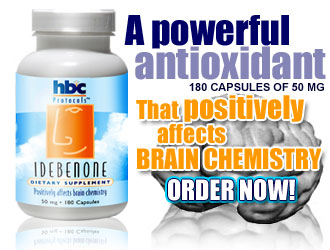
IdebenoneIdebenone (pronounced eye deb e known) is a synthetic analog (variant) of one of life's most essential biochemicals, coenzyme Q10 (Co Q10). Co Q10 is an important antioxidant component of the lipid (fatty) membranes that surround all cells, as well as the lipid membranes surrounding the various organelles ("little organs"), such as mitochondria and microsomes, inside cells.


Co Q10 is also an important member of the "Electron Transport Chain" (ETC) within mitochondria, which are the "power plants" of the cell. Most of the oxygen we breathe is used inside the electron transport chain to produce much of the ATP bioenergy that powers virtually every activity of our cells and bodies.


Co Q10’s pro-oxidant action 


Idebenone_creamWhen blood flow is seriously reduced to any part of the body, as in a heart attack, stroke, trauma, shock, or chronic poor blood circulation- cellular/ mitochondrial oxygen (O2) levels quickly drop in the affected region. Yet because oxygen is seven to eight times more soluble in the lipid zones of cell membrane, compared to the watery compartments of the cell, there is still sufficient oxygen remaining in the membranes of cells and organelles, as well as in the electron transport chain, to auto-oxidize Co Q10.  As the Co Q10 auto-oxidizes, hydrogen peroxide, superoxide and hydroxl free radicals are rapidly formed in massive numbers. These free radicals quickly damage cell/ organelle structure and function, as well as rapidly halt ATP energy generation by the electron transport chain.


Brain and spinal cord cells are especially prone to such damage, and may be irreparably damaged or even destroyed within minutes.


Why Idebenone is superior to Co Q10


Enter Idebenone to the rescue! Studies have shown that under the same cellular low oxygen conditions that cause Co Q10 to act as a pro-oxidant producer of damaging free radicals, Idebenone prevents the free radical dam-age and maintains relatively normal cell ATP levels. In short, while Idebenone can effectively substitute for Co Q10's positive and life essential functions, it doesn't have Co Q10's free radical producing and energy crashing "dark side" which occurs under hypoxic (low oxygen) conditions.


Idebenone's potential benefits fall into five categories; antiaging, energy enhancement, cognition enhancement, organ protector and protector against excitatory amino acid neurotoxicity.


Idebenone – The anti-aging benefits


The mitochondrial power plants produce over 90% of all cellular ATP bioenergy. They are also generally the richest sites in Co Q10 (or Idebenone). Mitochondrial DNA (mtDNA) allows mitochondria to reproduce them-selves.


While the DNA in a cell nucleus comes from both our parents, mtDNA comes exclusively from our mother's mtDNA.


There are typically two or three copies of mtDNA in each mitochondrion, with average 1000 mitochondria per cell. Because mtDNA exists in the "heart of the fiery furnace" where electron "sparks" are constantly leaking as ATP is produced in the electron transport chain, mtDNA is far more prone to free radical electron damage than is the DNA in our cell nuclei that contains the "blueprint" for our entire organism.


At the same time, the repair capacity of mtDNA is much less than that of our cell nucleus DNA.  As a consequence, over the course of a lifetime our mtDNA becomes ever more damaged, and the mitochondria produced therefrom become ever more ineffective at energy generation.


Studies comparing heart tissue from young people with that from elderly people have shown almost no significant mitochondrial dysfunction in young hearts, with significant, often severe mitochondrial dysfunction in elderly hearts.


The cells that are most susceptible to mitochondrial energy depletion with advancing age are the brain, skeletal muscle and heart muscle cells. Idebenone thus offers a prime anti-aging effect here in several ways.  Unlike Co Q10, even under the low oxygen conditions that may occur periodically over a lifetime, Idebenone will serve as a powerful mitochondrial free radical quencher, lessening the ever-increasing mtDNA damage that occurs with age. Idebenone will work even better than Co Q10 within the electron transport chain to keep energy production high, even under hypoxic conditions. This is especially critical to brain and heart cells that may be rapidly damaged during low ATP production episodes that occur due to poor tissue oxygenation.


Idebenone – Energy enhancement
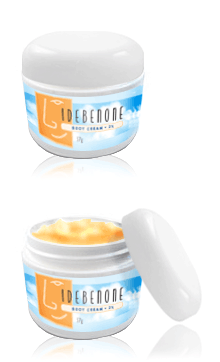

Idebenine_cream2Iron is a "dual edged sword." It is absolutely essential for life, it plays a central role in ATP generation in the electron transport chain.  Yet iron can also be a powerful initiator of free radical production and cell structural damage, especially under low oxygen conditions.


This occurs, for example, during stroke, and during the gradual onset of Parkinson's disease. Studies have shown that Idebenone can tightly couple oxidation to energy production. This prevents iron ions from wastefully and toxically, diverting oxygen to producing free radicals inside the mitochondria, instead of energy.


Studies have shown that Idebenone can almost completely eliminate this, diverting 10% of cellular oxygen away from toxic iron induced free radical generation, to beneficial ATP energy production under hypoxic conditions.


Mild cellular hypoxia can occur even from intense exercise, or even from mild exercise done by out of shape "couch potatoes."


Idebenone – Cognition enhancement


A variety of studies using brain cells, (animal and humans) have shown Idebenone's ability to enhance brain structure and function.


Human and animal studies have demonstrated that Idebenone can enhance serotonin production, even under far less than optimal conditions, as e.g. with a very low tryptophan diet, or in patients with cerebrovascular dementia.


Idebenone has enhanced cholinergic nerve function and consequent learning ability even under hypoxic conditions, or when an anti-cholinergic drug (Scopolamine) was administered.


Idebenone has increased cellular catecholamine (dopamine, adrenalin and noradrenanlin) production by enhancing cellular uptake of the precursor amino-acid tyrosine.


Idebenone enhances long term potentiation in hippocampal nerve cells, a key part of memory formation and consolidation. Idebenone has restored glucose (brain fuel) utilization and ATP production in ischemic (poor blood flow) rat-brain.


Idebenone has been shown to enhance general cerebral metabolism, lessen the damage from strokes, and has been used to treat Alzheimer's and other dementias.


And like the original nootropic drug; piracetam, Idebenone has been shown to promote information transfer across the corpus callosum, the membrane separating the right and left brain hemispheres.


This is turn may promote the union/ integration of the logical (yang) and intuitive (yin) halves of the brain/ mind.


Idebenone – Organ protector


As our organs age or are damaged, we age and are damaged. Over a lifetime, blood flow to our organs diminishes due to arteriosclerosis and less efficient heart pumping. This reduces oxygen dependent energy production needed for repair, reproduction and normal function of the organ cells. Free radical damage accumulates over time, leaving ever more dead, dying or dysfunctional cells within organs.


At some point a critical threshold is reached when too many cells within an organ are dysfunctional, and they can no longer sustain the organ's life and function. Then the organ- heart, brain, liver etc. fails.


Idebenone protects organs in many ways, it cushions them against hypoxic (low oxygen) and/ or ischemic (poor blood flow) damage. Idebenone enhances both normal and hypoxic ATP energy generation.


Each cell in our organs must produce the energy it needs for life and health, cells cannot "borrow" energy from each other.


Idebenone – The free radical quencher


Idebenone is a powerful antioxidant, more so than Co Q10, and in some studies is 30 to 100 times more effective, than vitamin E or vinpocetine as a free radical quencher within the brain cells.


Idebenone lessens the free radical induced mtDNA damage that accumulates acceleratingly over a lifetime, slowing organ damage and aging.


A 1995 study in the Journal of Transplantation compared the organ preserving effects of Co Q10 and Idebenone. The study measured various factors, such as free radical membrane lipid damage, cell protein damage and cellular energy production under hypoxia conditions.


The results showed Idebenone to be dramatically more effective than Co Q10 at preserving liver tissue under conditions identical to that endured by whole livers "harvested" and stored (briefly) before transplant to another person.


The study recommended using Idebenone to increase the transplant viability of human livers donated for organ transplant. Why not use Idebenone to increase your own organ viability, while you still have the use of them!


Protection against excitatory amino acid (EAA) neuro toxicity


Glutamic acid and aspartic acid are the two chief excitatory amino acid neurotransmitters in the human brain. Without them we would be "mental vegetables."


Yet under certain conditions, e.g. stroke or traumatic brain injury- excessive amounts of excitatory amino acids accumulate in the fluid surrounding brain cells, causing damage and even death to nerve and glial cells through free radical mechanisms.


Excitatory amino acid toxicity is at least partly responsible for the neurotoxicity of the recreational drug "Ecstasy or MDMA." Studies over the past 30 years have also shown that excessive dietary intake of excitatory amino acids may also damage brain structure/ function, especially in children or excitatory amino acid sensitive adults.


The two main dietary sources of excitatory amino acids are the flavor enhancer MSG (monosodium glutamate) and the artificial sweetener aspartame (Nutrasweet). Also many processed foods (e.g. canned soups, dry roasted spiced peanuts, beef/ chicken bouillon, canned tuna, spices etc.) contain "hydrolized vegetable protein, yeast extract, soy protein isolate" and similar ingredients that are mostly excitatory amino acids.


In studies with various types of nerve cell, as well as oligodendroglial cells (which make up the protective myelin sheaths surrounding many nerves, the so-called "white matter" of the brain). Idebenone has shown dramatic protective effects against glutamate toxicity.


So who can benefit from Idebenone? The answers are,


1. Healthy people wishing cognitive enhancement and brain energizer effects (it synergizes well with piracetam, vinpocetine and Hydergine). 2 or 3 tablets (45mg each) daily.


2. Stroke victims wishing to improve memory, emotional or speech disturbances. 3 to 6 tablets (45mg each) daily.


3. Alzheimer's and cerebrovascular dementia patients. 4 to 6 tablets (45mg each) daily.


4. Those preparing for major surgery, especially brain, heart, liver or kidney. Synergizes well with Hydergine. 4 to 6 tablets (45mg each).


5. People with heart energetics problems, e.g. cardiomyopathy, ischemic heart disease, congestive heart failure. 3 to 6 tablets (45mg each) daily.


6. People with myelination problems, e.g. multiple sclerosis or "white matter" stroke injury. 3 to 6 tablets (45mg each) daily.


7. Those seeking to increase their general energy and vitality levels. 2 to 3 tablets (45mg each) daily.


8. People with especially high endurance energy needs, e.g. cross country skiers, long distance runners, cyclists, swimmers etc. 3 to 4 tablets (45mg each) daily.


9. Those at risk of excitatory amino acid brain damage, e.g. people who routinely consume large amounts of aspartame sweetened foods/ drinks, or those who routinely eat MSG or "hydrolyzed vegetable protein" containing restaurant or prepared foods. 2 or 3 tablets (45mg each) daily.


10. People wishing to enhance the brain serotonin benefits of tryptophan or 5-hydroxy-tryptophan supplements or SSRI drugs, such as Prozac, Paxil, Zoloft, or Luvox etc. 2 to 4 tablets (45mg each) daily.


11. Those suffering acute or chronic liver damage from poison mushrooms, toxic chemicals, hepatitis etc. 2 to 4 tablets (45mg each) daily.


Numerous studies have shown that idebenone is well distributed through-out the body after absorption, accumulating in cellular and organelle membranes, as well as in the electron transport chain, exactly where it does the most good!



Depressioncombov2

Thea-Zen - Meditation in the bottle - No diminshing day time alertness

MeditateL-Theanine, a unique free form amino acid found in green tea and various mushrooms has beenThea_Zen shown to increase tranquilizing Alpha waves without inducing drowsiness. Clinical studies have shown it to be effective in single dosages of 100 to 200 milligrams, one to three times daily, or as needed depending on stress and anxiety level. For those seeking a continuous mood elevating effect, one capsule can be taken four times throughout the day.


Based on results of clinical studies, L-Theanine is most effective in the range of 50-200 milligrams with the effect being felt within thirty minutes and lasting for eight to ten hours. Individuals with high stress levels may increase their dosage to at least 100 mgs, with no more than 600 milligrams being taken in a six hour period.


FDA recommends a maximum dose of 1,200 mgs daily, although the reason for this limit is not clear, due to its demonstrated safety. There are no known adverse reactions to L-Theanine and, no drug interactions have been reported. (Please see chemotherapy caution).


L-Theanine is not affected by food and may be taken any time, as needed. Because it has a mild taste, capsules may be opened and dissolved in water. Although it is probably safe for pregnant women and nursing mothers, we discourage its use by them pending conclusive research.


L-theanine is a derivative of L-glutamic acid. It is a water-soluble solid substance with the molecular formula C7H14O3 N and a molecular weight of 160.19 daltons. L-theanine is also known as gamma-ethylamino-L-glutamic acid, gamma-glutamylethylamide, r-glutamylethylamide, L-glutamic acid gamma-ethylamide and L-N-ethylglutamine. The chemical structure is:


Thea-Zen1


Theanine is a unique amino acid found in the leaves of green tea (Camellia sinensis). Theanine is quite different from the polyphenol/ and catechin antioxidants for which green tea is typically consumed. In fact, through the natural production of polyphenols, the tea plant converts theanine into catechins. This means that tea leaves harvested during one part of the growing season may be high in catechins (good for antioxidant benefits), while leaves harvested during another time of year may be higher in theanine (good for anti-stress and cortisol-controlling effects). Three to four cups of green tea are expected to contain 100-200 mg of theanine.


Theanine is a caffeine antagonist, meaning that it does the opposite.  The effects can readily be seen in EEGs of rodents given caffeine, then theanine.  One of the things that theanine changes is GABA -- a brain chemical known for its calming effect.  Theanine increases GABA, while caffeine decreases it.  GABA doesn’t just relax, it also creates a sense of well-being.  Theanine’s ability to increase this brain chemical can put you in a better mood by changing biochemistry.  Theanine also increases levels of dopamine -- another brain chemical associated with  mood-enhancing effects and increased feelings associated with sex drive.


100% Kosher and Halal approved vegetable capsule


Depressioncombov2

5-HTP Cream with 9 essential mood supporting aminos

1jar-5htpDepression can be a response to stressful events, hormonal imbalances, biochemical5htpb_image abnormalities, or other causes. When depression is not a function of external events, it is called endogenous. Endogenous depression is often due to biochemical abnormalities such as those caused by low levels of the essential (must be acquired from your nutritional regime) aminos necessary for a fully functioning physical and emotional system.


For this reason HBC is very proud to offer this very fast acting transdermal 5-HTP cream (Click here for application protocol)  with the nine essential amino acids proven to optimize the limbic and endocrine systems. Applied directly to any pressure point, this liposomally based cream is so fast acting and powerful that we’ve nicknamed it “The bomb”.


Please click on the following 14 links to read more: as well as to view a series of beautiful color microphotographs of its various components.


Depressioncombov2

Homeopathic Human Growth Hormone

HghYou don't have to be an extreme exercise fanatic (check bodybuilder) to experience the benefits of natural growth hormone release. Homeopathic supplementation is a good way to go. Low-dose homeopathic supplementation is 100% safe and 1000% more affordable then the high-dose injectable form of HGH. Homeopathic HGH is as gentile as it is powerful in its ability to stimulate metabolic function. In contrast allopathic, (modern medicine) artificially and forcefully suppresses symptoms of disease. This is often toxic to the body. Homeopathics use tiny amounts of a substance which encourage the body to bring itself into balance.


Hghsealboxmockup


Ultra potent 24 hours Human Growth Hormone seal

How Growth Hormone Melts Fat

HghBody builders are an odd group. One of the reasons growth hormone (HGH) is so popular with this subculture is that it increases their muscle mass. This is extremely important because muscle is what drives our basal metabolic rate. No surprise there, but did you know that growth hormone increases calcium retention as well? Whether you are a gym bunny or an aging couch potato, growth hormone's complete 191 protein chain can help you to protect more than just your muscle, it also promotes calcium retention for stronger bones. But I digress: back to fat. By increasing muscle mass through the creation of new muscle cells, triggering a reduction of adipose tissue (body fat), HGH literally melts away body fat. Complete protein (191 chain) has the highest "thermal effect" of any food, meaning that it can actually speed up your metabolism (as much as 30%). It does so by making your body work harder to digest and process food. Much more so than fat or carbohydrates.


Hghsealboxmockup


Ultra potent 24 hour Human Growth Hormone seal

So, what is homeopathy, really?

To answer this question I had to confer with my friend and college Barry. A master homeopatic formulator, he has forgotten more about homeopathy than most of us will ever know. Here is what he had to say.


In the world as we know it, all matter vibrates. Everything! Every molecule has vibrational signature. Our body has a vibrational signature. The facts show that substances are active at micro amounts of etheric (sub-atomic or deltron) levels. Trevor Cook, Ph.D. has detected subatomic activity in 23 different homeopathic remedies. Dr. Emilio de Guidici claims water molecules form structures capable of storing minute charges of electromagnetic signals. Dr. Wolfgang Ludwig, a German biophysicist has demonstrated that homeopathic substances give off measurable electromagnetic signals.


Homeopathic dilutions need to be diluted to a level that is no more material than would normally exist in nature. For example, a 12 c is a dilution equivalent to 10 to the minus 24th power, which basically means it is lower than the Avogadro’s number (6.0221415 × 10²³ ) the number of molecules on a mole or mass unit of material. By going below that number we have reduced the ratios to where there should be no molecular traces of the solution.


From a traditional material dose this says this formula shouldn’t do anything, right? Wrong. It does, because the body responds to the energy signature or vibrational characteristics that have been imparted into the carrier medium. Potencies lower than a 12 c will have a material dose so you are getting trace doses. And the body will respond to it, lifting the dosage higher. This extremely low dose makes it very safe for the kidney or the liver too process. No one has ever, EVER, been injured by a homeopathic dosage. Which is why the FDA has grandfathered in homeopathic doses of 6x or higher as being safe.


We tend to think the body is a mechanical device, or a chemical device, or an electrical device, and the truth of the matter is, our body is all of those things together. It is our separate disciplines (endocrinologh, psychology, chemistry, fluid dynamics) that are trying to understand and define what we truly are from their limited discipline. What homeopathy is, is a science of restoring the energetic balance to the body. If you think of the body as a vibrating synergetic system, and when those vibrational characteristics become disturbed, sickness or dysfunction can result. The science of homeopathy is to restore that correct homeostasis. A metaphor. A tuning fork (a sick body with a bad vibe) has drifted in pitch. When another tuning fork of perfect pitch is reintroduced to it, it will once again vibrate at the proper frequency. Granted, different patients need different combinations of tuning forks for given conditions. But, the homeopathic tool box is very broad.


Probably the best affirmations of homeopathy today are the emergence of homeopathic treatments for flu and colds. Drugstore remedies have been proven by market response to be as if not more effective than traditional remedies. Boiron Oscillococcinum Natural Flu Relief is a homeopathic formulation sold in every chain drugstore in the world because it has been shown to reduce the onset of colds and flu by 50 percent. As these crossover products have proven. In fact, researchers have concluded that homeopathics demonstrate “energies” and that water molecules have a stable, hexagonal, lattice system, like an invisible honeycomb. This “honeycomb” can hold homeopathic “energies” and can change he strusctural shape of the water molecule lattice pattern. Seccussing, or shaking, the homeopathic product seems to “transfer” the properties of the raw material to the water structure.


Hghsealboxmockup


Ultra Potent 24 hour Human Growth Hormone seal with homeopathy

Boy babies increase the probability of severe postpartum depression.

Crying babyFrench researchers examined 181 mothers, and found 9% had severe depression - three-quarters of these had delivered a male child.


The Journal of Clinical Nursing study suggested earlier poor relationships with men could be a factor for some.


However, a specialist in the UK said the finding, although interesting, could be a "statistical quirk".


 “The overwhelming finding of the study was the fact that gender appears to play a significant role in reduced quality of life as well as an increased chance of severe postnatal depression


Professor Claude de Tychey
University of Nancy


Postnatal depression is common among new mothers - the latest study at the University of Nancy found a third of those taking part were affected to some degree.


In some societies, having a female baby has been linked to the condition - due to the cultural preference for a male child.


However, the idea that having a male baby could exacerbate the problem is an unexpected one.


The women involved were questioned on several different areas of their health, including physical fitness, pain and mental and emotional health.


The researchers, led by Professor Claude de Tychey, found that seven out of ten women who had given birth to a boy reported a lower quality of life compared with the average of women who had given birth to a girl, regardless of whether they had postnatal depression.


Although mothers of girl babies were more likely to have mild postnatal depression, among the 17 women diagnosed with severe postnatal depression, 13 had male babies.


Emotional difference


Crying babyThe researchers did not have any evidence of a reason behind this difference, and called for further research to discover it.


However, although they suggested there might be subtle psychological differences in the attitudes of new mothers towards boy and girl babies which might affect their emotional state - particularly if they were already prone to depression.


They suggested a negative attitude to a son might be a legacy of unsatisfactory relationships with important male figures in their life, such as their father, or partner.


Professor de Tychey said: "The overwhelming finding of the study was the fact that gender appears to play a significant role in reduced quality of life as well as an increased chance of severe postnatal depression. "Women had the same scores regardless of whether the recent birth was their first or second baby."


However, Dr Cosmo Hallstrom, a member of the Royal College of Psychiatrists, said the numbers of women with severe depression were too low to draw firm conclusions. He said severe depression results were compromised by the finding that a majority of the mothers with mild depression were more likely to have given birth to girls. "It's an interesting talking point, but I'm not entirely convinced by this, and would like to see it replicated in larger trials. It's probably a statistical quirk."


Stjohnsv2


Depressioncombov2

Wednesday, February 13, 2008

Boy babies increase the probability of severe postpartum depression.

Crying babyFrench researchers examined 181 mothers, and found 9% had severe depression - three-quarters of these had delivered a male child.


The Journal of Clinical Nursing study suggested earlier poor relationships with men could be a factor for some.


However, a specialist in the UK said the finding, although interesting, could be a "statistical quirk".


 “The overwhelming finding of the study was the fact that gender appears to play a significant role in reduced quality of life as well as an increased chance of severe postnatal depression


Professor Claude de Tychey
University of Nancy


Postnatal depression is common among new mothers - the latest study at the University of Nancy found a third of those taking part were affected to some degree.


In some societies, having a female baby has been linked to the condition - due to the cultural preference for a male child.


However, the idea that having a male baby could exacerbate the problem is an unexpected one.


The women involved were questioned on several different areas of their health, including physical fitness, pain and mental and emotional health.


The researchers, led by Professor Claude de Tychey, found that seven out of ten women who had given birth to a boy reported a lower quality of life compared with the average of women who had given birth to a girl, regardless of whether they had postnatal depression.


Although mothers of girl babies were more likely to have mild postnatal depression, among the 17 women diagnosed with severe postnatal depression, 13 had male babies.


Emotional difference


Crying babyThe researchers did not have any evidence of a reason behind this difference, and called for further research to discover it.


However, although they suggested there might be subtle psychological differences in the attitudes of new mothers towards boy and girl babies which might affect their emotional state - particularly if they were already prone to depression.


They suggested a negative attitude to a son might be a legacy of unsatisfactory relationships with important male figures in their life, such as their father, or partner.


Professor de Tychey said: "The overwhelming finding of the study was the fact that gender appears to play a significant role in reduced quality of life as well as an increased chance of severe postnatal depression. "Women had the same scores regardless of whether the recent birth was their first or second baby."


However, Dr Cosmo Hallstrom, a member of the Royal College of Psychiatrists, said the numbers of women with severe depression were too low to draw firm conclusions. He said severe depression results were compromised by the finding that a majority of the mothers with mild depression were more likely to have given birth to girls. "It's an interesting talking point, but I'm not entirely convinced by this, and would like to see it replicated in larger trials. It's probably a statistical quirk."


Stjohnsv2


Depressioncombov2

Ultra potent Human Growth Hormone (HGH) 24 hour seal

The Mystery Of HGH. What Is Human Growth Hormone?


Well, what is HGH really?


MultiplefrontwithtextHGH is the acronym for Human Growth Hormone. It was discovered roughly a half century ago, but it wasnt until sometime in the 1970s that researchers and scientists actually figured out the job of HGH in the human body. For those in-between years, HGH remained an enigma compound? Even though it had been isolated in the human body, it remained a mystery substance.


HGH is a protein compound, produced exclusively in one portion of the pituitary gland. Even after researchers knew the basics that its a protein and where the human body produced it there was argument over the part it played in the body. When researchers figured out that HGH had an significant role in regular growth, the race was on to figure out what the role was and how it could be used to assist those who faced issues with growth.


Its not a huge step between learning the role of HGH and using it as a treatment for kids who werent growing at a conventional rate. Increasing the quota of HGH for those children who otherwise may not have grown sufficiently to do the things normal adults do drive a car, for example became a way to positively effect the lives of those youngsters. But the early days of those treatments were restricted by researchers capacity to successfully duplicate the HGH compound.


At first, HGH was first exclusively accessible by collecting the HGH compound from the pituitary glands of cadavers. Post extraction, the natural human growth hormone had to be processed and injection was the only way to introduce further HGH into a person who required it. This type of human growth hormone supplement treatment was costly, time exhausting and limited. Only medical professionals could determine who should receive HGH therapy, and the known benefits were limited.


One of the first things discovered about HGH is that its in the body of youthful children in abundance. As individuals got older, the HGH in their body decreased. While that sounds like a customary move in the course of aging, people soon thought to question whether increasing the amount of HGH in the body would be supportive also to older people.


HGH isn't the only compound in the body that decreases as we age. You've probably heard of some of the other significant proteins that are plentiful in young people but less abundant as we age. Estrogen, progesterone and testosterone are amongst those compounds that are sometimes supplemented to help older people feel younger and healthier. The HGH protein compound is similarly beneficial as a dietary supplement.


But why would HGH be beneficial to an adult? After all, most adults are attempting to part with weight, not grow, right? Actually, HGH has been discovered to help other adult issues as well. Anti aging is one of the benefits of HGH in adults. It can also drive more energy and enhance stamina.


HGH supplements and HGH products are now available as HGH dietary supplements, so that you can take an HGH releaser as part of your daily supplement regimen.


Hghsealboxmockup


Click here for more information


Having boys increases post-natal depression risk

Women who give birth to a son are more likely to develop severe post-natal depression, according to French researchers. They studied 181 women, a third of whom developed post-natal depression after delivery. Of the 9% who had severe depression, three-quarters had given birth to boys, the study authors said. 'We believe that this study – carried out in a French community where women didn't face cultural pressures over the sex of their baby – is the first to show that women who give birth to boys are more likely to suffer from severe PND,' said author Claude de Tychey, professor of psychology at Universite Nancy 2. 'We believe that our findings have important public health consequences, as they point to the need for developing prevention and early psychotherapeutic programmes for women giving birth to boys.'


Journal of Clinical Nursing (2008) 17: 312-322


Monday, February 11, 2008

Aussie News Anchor's Cliffside Suicide Linked To Depression

Sydney, Australia - Shortly before 4:00pm on Friday 2 November 2007, Charmaine Dragun (pronounced /drægu?n/) took her own life by jumping from The Gap in Sydney's Eastern Suburbs. A Channel Seven news report the following day stated that Charmaine was undergoing treatment for depression and had recently changed medication. Police have described the death as not suspicious, confirming that several witnesses spotted a woman sitting on the cliff before finding her body. Charmaine was due to present the 5pm news for Perth and Ten Late News on the day she died. Staff in Perth and Sydney were only informed of her death 15 minutes before the show was due to air. The shock caused by the unforeseen suicide has now been coupled by questions from those who knew her. Associate Professor Michael Baigent identified the case as a common example of the extreme consequences of depression. Baigent explained that depression is "an illness that clouds the way you see yourself and people around you, the way you see your future."


A fellow newsreader, Deborah Knight, expressed her own confusion over what transpired, with her describing the death to be "completely unexpected." Professor Baigent explained that those suffering from extreme depression and are having thoughts of suicide "don't let on (that they need help); it makes them feel weaker." Dragun was found dead last Friday at The Gap, a spot in the Eastern Suburbs of Sydney known for suicide attempts. 


Born (21 March 1978) -and-bred in Western Australia, Charmaine loved a good story. Tales of everyday people doing remarkable things fascinated her. Upon graduation from the WA Academy Of Performing Arts with a degree in broadcasting, Charmaine began her career as a radio journalist at Perty radio stations 6PR and 96FM. There she earned her a nomination for Young Journalist Of The Year at the National Youth Media Awards. She also took out the Australian and state titles for Best Radio Reports.


After making the move to television, Charmaine rose through the ranks of Ten News, covering everything from entertainment news to stories of major, national significance. She soon found her niche in court reporting and went on to cover some of the biggest cases WA has seen in recent years. After a couple of stints filling in as Ten News summer presenter, Charmaine was appointed permanent news anchor. She also hosted Ten's Late News and 11.30 Bulletins. The beautiful, intelligent, and talented Charmaine Dragun presented Channel Ten Perth's nightly news bulletin alongside Tim Webster.


Dragun was also a supporter of many charity events and was an MC at the Melville Pink Ribbon Ball held at the Perth Convention Exhibition Centre, a fundraiser to support breast cancer research and services funded by The Cancer Council Western Australia.


In July 2007 Charmaine took a trip to Croatia to learn about her heritage. She wrote a first person article for The Sunday Times which appeared in the STM on July 22. Commenting on her death, Network Ten's CEO Grant Blackley said: "Charmaine was a highly intelligent, vibrant and caring person, universally liked and admired by her colleagues. Our deepest sympathies go to her partner, Simon, and her family."


Stjohnsv2


CLick here to read mor about most researched St John’s Wort product in America 


Depressioncombov2


Click here to read more about other natural anti-depressant


Is someone you love depressed?

Love depressed_2The pain of seeing a loved one in the depths of clinical depression can be almost as torturous as being depressed oneself. Needless to say, our understanding of the illness and how we relate to the person is paramount to their recovery. Here are some important ways in which you can help their healing process.


   1) If a friend or family member's activity and outlook on life starts to descend and stays down not just a few days, but for weeks, depression may be the cause. The first way you can be of support is to help the person to recognize that there is a problem. This is especially crucial, since many people fail to realize that they are depressed. Begin by encouraging your friend to share his or her feelings with you. Contrary to myth, talking about depression makes things better, not worse. Once it becomes clear that something is amiss, you can suggest that he or she seek professional help. (This is critical since only one third of people with mood disorders ever receive treatment.)
You can be of further support by accompanying your friend to his initial doctor's or therapist's appointment and subsequently monitoring his or her medication. In addition, explain that seeking help for
depression does not imply a lack of emotional strength or moral character. On the contrary, it takes both courage and wisdom to know when one is in need of assistance.


 2) Educate yourself about the illness, whether it is depression, manic depression, anxiety, etc. Learn about symptoms of the illness and how to tell when they are improving. Your feedback to the psychiatrist or therapist about how your friend is faring will help him or her to assess if a particular treatment is working.


3) Provide emotional support. Remember, what a person suffering from depression needs most is compassion and understanding. Exhortations to "snap out of it" or "pull yourself up by your own bootstraps" are counterproductive. The best communication is simply to ask, "How can I be of support?" or "How can I help?"


 4) Provide physical support. Often this means participating with your friend in low-stress activities-taking walks, watching movies, going out to eat-that will provide an uplifting focus. In other instances you can ease the depressed person's burden by helping with the daily routines-running errands, doing shopping, taking the kids out for pizza, cooking, vacuuming the carpet, etc.


 4) Provide physical support. Often this means participating with your friend in low-stress activities-taking walks, watching movies, going out to eat-that will provide an uplifting focus. In other instances you can ease the depressed person's burden by helping with the daily routines-running errands, doing shopping, taking the kids out for pizza, cooking, vacuuming the carpet, etc.


 6) Monitor possible suicidal gestures or threats. Statements such as "I wish I were dead," "The world would be better off without me," or "I want out" must be taken seriously. The belief that people who talk about suicide are only doing it for the attention is just plain wrong. If the person you care about is suicidal, make sure that his or her primary care doctor is informed. Don't be afraid to talk with the person about his or her suicidal feelings. Meanwhile, hold on to the possibility that your loved one will get better, even if he or she does not believe it.


7) Don't try to talk the depressed person out of his feelings, even if they are irrational. Suppose the depressive says, "My life is a failure," "Life is not worth living," or "All is hopeless." Telling him he is wrong or arguing with him will only add to his demoralized state. Instead, you might want to say, "I'm sorry that you are feeling so bad. What might we do right now to help you feel better?"


 8) Maintain a healthy detachment. You may become frustrated when your well-meaning advice and emotional reassurance are met with resistance. Do not take your loved one's pessimism personally-it is a symptom of the illness. When the light you shine is sucked into the black hole of depression, you may become angry or disgusted. Direct your frustration at the illness, not the person. People who suffer from depression complain that their families' resentment over their condition often leads to neglect or outright hostility.


 8) Maintain a healthy detachment. You may become frustrated when your well-meaning advice and emotional reassurance are met with resistance. Do not take your loved one's pessimism personally-it is a symptom of the illness. When the light you shine is sucked into the black hole of depression, you may become angry or disgusted. Direct your frustration at the illness, not the person. People who suffer from depression complain that their families' resentment over their condition often leads to neglect or outright hostility.


10) Establish communication with other people in the person's support network-e.g., family members, friends, physicians, therapists, social workers, clergy, etc. By talking to other caregivers, you will obtain additional information and perspective about the depressed person. If possible, arrange for all of the caregivers to meet together in one room for a brainstorming/support session. In this way, you will be working as part of a team-and not in isolation.


11) Take good care of yourself and your needs. It is easy to get immersed in your friend's care and lose your own sense of self. You may also experience "contagious depression"-i.e., taking on the other person's depressive symptoms-or you may get your own issues triggered. Here are some ideas on how to "inoculate" yourself so that you can stay centered enough to truly help.


  • Take good care of your body. Make sure that you are getting adequate food and rest.


  • Find a safe place to process your feelings. In the role of being a caregiver, you may feel powerless, helpless, worried and scared (when you hear talk of suicide), or resentful and frustrated (at your inability to heal the pain). Or, you may fear being pushed over the precipice into your own depression. Process your frustrations and fears with a trained therapist or a friend; you will be less likely to dump your negative mood (anger, fear or sadness) on the person who is suffering. Remember, it is okay to have negative thoughts as long as you don't act on them.


  • Maintain your routine as much as possible. Although you may need to adjust your work schedule or other routines to accommodate helping a depressed person, keep your life as regular as possible. Don't become so involved that you lose touch with friends and social support.


  • Learn to set limits, especially when you are feeling overwhelmed by the depressed person's pain and tales of woe. To avoid burning out or experiencing hostility towards the depressed person, encourage him or her to seek professional help. Your role is that of a friend or family member, not a therapist or a medical doctor.


  • Take breaks. When you start to feel emotionally or physically drained, ask other friends and support people to relieve you. Then do things to nurture yourself.


  • Continue to pursue activities that bring you pleasure. Having fun will replenish you so that you can keep on giving.


  • Give yourself credit for all that you are doing-and realize that you cannot do everything. No matter how much you love another person, you cannot take responsibility for his or her life. Try to distinguish between what you can control (your own responses) and what you cannot (the course of the illness). To this end, you may wish to meditate on AA's "Serenity Prayer."


  • Attend support group meetings for families who are dealing with mental illness. The local chapters of the following organizations can provide you with times and locations of such groups:


  • National Alliance for the Mentally Ill,
    (800) 950-NAMI


  • National Depressive and Manic Depressive Association,
    (800) 82-NDMDA


  • Depression and Related Affective Disorders Association,
    (410) 955-4647

12) Finally, encourage the person you are caring for to create a support system of other caring people, or help him or her to do so. It takes a whole village to see someone through a dark night of the soul. You cannot transform the illness of depression by yourself, but you can be an integral part of the healing process.


Stjohnsv2


CLick here to read mor about most researched St John’s Wort product in America


Depressioncombov2


Click here to read more about other natural anti-depressant

Human Growth Hormone (HGH) IMPROVES MOOD AND SLEEP PATTERNS

In 1996 a team of Swedish scientists discovered why Human Growth Hormone (HGH) replacement makes so many people feel good.  They found it acts on the brain just like an antidepressant, raising the level of the neurotransmitter B-endorphin, which has been called the brain's opiate.  Human Growth Hormone also lowers the level of dopamine, which is associated with feelings of agitation.  Other reports indicate that increased levels of Human Growth Hormone reduce stress, improve focus and concentration, and build self-esteem and self-confidence.  A 1998 report showed that depressed men have a marked decrease in Human Growth Hormone secretion during the first three hours of sleep as opposed to non depressed controls.  Indeed, higher levels of Human Growth Hormone induced a more restful and sounder sleep.


Three different studies in Sweden, Denmark, and England reported that Human Growth Hormone replacement therapy had dramatic, positive effects on patients suffering from low self-esteem, anxiety and depression.


In a report by L. Cass Terry, M.D., Ph.D. to the American Academy of Anti-Aging Medicine in December 1996, Dr. Terry reported that his clinical group of 900 people, 300 or which were doctors, 80% experienced improved attitude toward life, and 67% experienced enhanced emotional stability.


A recent clinical study by Theirry Hertoghe, M. D. showed that Human Growth Hormone therapy decreased depression by 82% and anxiety and low self-esteem by over 70%


Quality of Life with Growth Hormone Replacement


Adult-onset growth hormone deficiency (GHD) often experience a sub-optimal quality of life (QoL), impaired cognition, and reduced psychosocial functioning. In fact, studies of patients with adult-onset GHD consistently found a lack of energy and emotional problems as being characteristic of this population. Memory lapses, difficulty concentrating, and forgetfulness are frequently reported by patients with adult-onset of Growth Hormone Deficiency. Moreover, when compared to patients with diabetes mellitus, one study found increased psychiatric illness, depression, and dysthymia among adults with hypopituitarism. (The essential feature of Major Depression is one or more Major Depressive Episodes without a history of either a Manic Episode or an unequivocal Hypomanic Episode. The essential feature of Dysthymia is a chronic disturbance of mood involving depressed mood for most of the day more days than not. In addition, during these periods of depressed mood there are some of the following associated symptoms: poor appetite or overeating, insomnia or hypersomnia, low energy or fatigue, low self-esteem, poor concentration or difficulty making decisions, and feelings of hopelessness. This has often been referred to as Depressive Personality.)


These problems tend to be reported more by growth hormone-deficient women than men, and are more prevalent in patients with long-standing disease than in those recently diagnosed with Growth Hormone Deficiency. Overall, adults with untreated hypopituitarism tend to report a lower health status than the general population.


Data from a study conducted by the Lee-Benner Institute’s longitudinal trial using Growth Hormone to treat Somatopause (disorders of body composition and function resulting from a more or less rapid decline of Growth Hormone secretion that is seen with increasing age) for 1,521 patients with adult-onset Growth Hormone Deficiency demonstrated that improvements from the baseline in total score, energy levels, and emotional reaction using the NHP persisted after 10 years of treatment. Even this instrument, which tends to underestimate the extent of QoL impairment , shows the dramatic long-term improvement associated with Growth Hormone therapy.


Doctor formulated FDA/NDC (National drug council) registered sources for homoepathic HGH


Human Growth Hormone Full Spectrum Human Growth Hormone with IGF-1 & GHRH Spray


FDA approved Homeopathic HGH


Smhgh


Click here to read more about HGH Spay


Hghsealboxmockup


Click here to read more about HGH 24 hour Seal


Friday, February 8, 2008

Elizabeth Wurtzel, author of "Prozac Nation" and "Bitch" discusses her depression and drug use

Wurtzel1With nearly every seat full, Elizabeth Wurtzel shared her ordeal with depression, drugs and how she overcame it during the Keene State College's Citizenship Symposium. "The worst part of any mental illness is being stuck in your own head and thinking you're the only one," said Wurtzel, addressing an audience of nearly 500 KSC students and local residents. Wurtzel, was designated as one of the symposium's three keynote speakers and has written several books - her latest titled, Americanism: A Love Story. "I've never thought of myself as a particularly good citizen," she said. "I'm a writer first and foremost."


After writing her best-selling book "Prozac Nation," Wurtzel said readers came to her with their stories of depression, insisting they went through the same ordeal she did. "I think it was a shock after "Prozac Nation" came out that other people connected with me that actually have nothing in common with me," she said. "I had to be nice … I had to come up with some sort of message."


Wurtzel found that message, and told it to the audience by reading out of an advice book she was asked to write for teenagers. "If I had to say anything to people, it would be this: You cannot be a guest at your own funeral … You will not know you will be missed. You will be dead and gone." These opening lines led into a short excerpt from her unfinished advice book, in which Wurtzel points out the pointlessness of suicide and how petty some problems are.


"Even for normal people life doesn't always seem like an easy prospect," she read aloud to the audience. "Everything that is wrong is not so bad."


Although Wurtzel's depression began when she was 12 years old, she said she did not find help until college, where the health services told her she needed 15 to 20 years of therapy instead of medication. "I never lost the feeling I had that there was something more they could do," the former drug addict said. Wurtzel became addicted to drugs around the age of 26 when she was put on Ritalin for ADD (attention deficit disorder). "I started to abuse it terribly … At the time I was put on it I was addicted to heroin anyway," she said, adding this led her to cocaine and eventually landed her in the hospital for four months for rehabilitation. "I got addicted to Ritalin. That was an amazingly horrible experience … I was snorting 40 pills a day and I don't think people know it can get that bad."


However, Wurtzel's fears of distributing anti-depressants do not come from her drug abuse, but from her knowledge of what it does to a person. "The thing about medication is they're not vitamin pills. They change you … I think it's very dangerous to prescribe these medications to people under 18." Wurtzel referred to a story of her friend who stalked her ex-boyfriend because of her depression. She was put on medication, but did not go to therapy, which Wurtzel said would have helped her substantially. "She kept stalking her boyfriend, but she was just happier doing it," she said.


After responding to questions from the audience, Wurtzel concluded her appearance by offering her opinion as to why the United States is one of the most depressed countries in the world - a fact offered by audience member Marianne Salcetti in the final question of the night. "I think we lack connection," said Wurtzel. "I think that's our biggest problem. I hate to say it but America is one nation under divorce … there's a breakdown of community unlike anywhere else in the world."


Stjohnsv2


Depressioncombov2


Biography


Elizabeth Lee Wurtzel (born July 31, 1967 in New York City) is famous for her work in the confessional memoir genre. She has often been compared to Anne Sexton and Sylvia Plath. Brought up Jewish, Wurtzel's parents divorced when she was young. As described in Prozac Nation, Wurtzel's depression began at the ages of ten to twelve. She attended Ramaz for high school and was described as an over-achiever by her teachers, who expected her to become a nationally famous writer. While an undergraduate at Harvard College, she wrote for The Harvard Crimson and the Dallas Morning News, from which she was later fired for plagiarism.Wurtzel also received the 1986 Rolling Stone Magazine College Journalism Award. Following her graduation, Wurtzel moved to Greenwich Village in New York City and found work as pop music critic for The New Yorker and New York Magazine.


Wurtzel is best known for publishing her memoir, the best-selling Prozac Nation, at the age of 26. The book chronicles her battle with depression and suicide attempts. The film adaptation of Prozac Nation, starring Christina Ricci, premiered at the Toronto International Film Festival September 8, 2001 but never had a U.S. theatrical release. It was telecast on the Starz! network during March, 2005 and was released on DVD in the summer of 2005.


After Prozac Nation


Following the critical acclaim and bestselling success of Prozac Nation, Wurtzel moved to Florida as she felt she was no longer able to concentrate on her work in New York City and began writing her second book, Bitch: In Praise of Difficult Women. It was at this point that she battled abuse and addiction to Ritalin. Prior to moving to Florida, Wurtzel had battled cocaine and heroin addictions as well. Wurtzel wrote Bitch as she felt that feminist writing had become "dry" and she wanted to make it "juicy" again. She focused on societal definitions of "bad girls" and analyzed female public figures from Amy Fisher to Hillary Clinton through this lens. Wurtzel, at this point a drug addict, gained much weight due to the medication she was taking, and was seen as distressed while promoting Bitch on numerous media channels such as CNN. Her troubles during this period led to cancellations of multiple book readings and press interviews. During this time, her regular column in The Guardian was canceled because of her inability to produce work on time. It was these experiences that led to her publishing a second autobiographic volume, titled More, Now, Again: A Memoir of Addiction (2001, which was centered around her addiction to the prescription medication Ritalin while writing Bitch.


Wurtzel has also worked for the website Nerve as a film critic. As of 2007, she is studying at Yale Law School, and is expected to earn her Juris Doctorate in 2008.

Studies Suggest the Mind Makes, Breaks its Misery

Brain research indicates that people are hard-wired for empathy, and that faith affects the experience of their own agony and that of others.


Pain, like beauty, is in the mind's eye. It is altered by empathy and tempered by faith, three new brain-imaging studies suggest. The bewitching effect of belief can alter directly how strongly people feel pain, causing measurable changes in brain cells and synapses whether the torment is theirs or a loved one's. The new findings, made public today by independent research teams at the University of Michigan, Princeton University, UCLA, and University College London, offer the strongest evidence yet of how the brain thinks about pain.


Mapping the neural anatomy of pain, the researchers documented the ways in which the brain created a world of its own from the raw material of physical sensation. Using medical imaging scanners to monitor brain activity, researchers at Michigan, UCLA and Princeton revealed that simple faith in a placebo could alter the neural circuits that process pain, easing the agony.


In a separate experiment, the researchers at University College showed that the brain was a mirror of suffering, reflecting through many of the same neural circuits the pain that others feel, much as if the sensation were its own genuine torment. Indeed, the brain's ability to share another's response to pain at such a fundamental cellular level may be the key to a sense of empathy, the personality trait that underpins so many human relationships, researchers said. "These brain regions are critical to the interplay between the outside world and you," said neuropsychologist Helen Mayberg at Emory University in Atlanta. By directly monitoring mental activity, the researchers showed how expectations and anticipation molded the brain's response to the physical sensation of pain. To a certain degree, pain is an act of imagination. "We are zeroing in on some pathways where our thoughts and beliefs are changing our physical and emotional experience," UCLA psychologist Matthew Lieberman said. "We don't typically think of those as things we can control." Each team used brain mapping techniques to survey the same neural terrain from three slightly different perspectives.


Stjohnsv2


Two of the studies were published today in the journal Science. The third will be published next month in Neuroimaging. To better understand pain and empathy, a team led by social psychologist Tania Singer at the Institute of Neurology at University College tested 19 couples who, because they were romantically involved, could be expected to be attuned to each other. One woman from each pair was monitored with a functional magnetic resonance imaging scanner. Her neural activity was recorded first as researchers gave her a brief electric shock, then as her partner received the same shock. The researchers discovered that the same critical brain regions involved in processing the physical sensation of pain were activated in each case. Feelings of empathy for another's pain triggered regions of the brain responsible for processing pain, much as if it were a direct sensation, researchers discovered.


To Singer and her colleagues, it strongly suggested that humans were hard-wired for empathy."We are pretty sure that it is a universal mechanism," Singer said. "It is how we can put ourselves emotionally in another's shoes." To investigate how belief affects the brain's response to pain, Lieberman and his UCLA colleagues conducted brain scans of 14 patients given a placebo to treat their chronic abdominal pain. The experiment revealed that the patients' faith in the substance they were given eased their symptoms and also produced physical changes in areas of the brain that processed pain. The greater the brain changes, the greater the reduction in pain, the researchers determined.


At Michigan and Princeton, researchers produced even more compelling evidence that the expectation of relief caused physical changes in how the brain handled pain. They tested dozens of volunteers by giving them shocks while monitoring their neural activity in a brain scanner. Then researchers gave all the volunteers a placebo in the form of a harmless cream the patients were told would prevent the pain. Then the scientists conducted another round of shocks. The expectation of relief was enough to cause physical changes in those pain-processing areas of the brain, offering evidence of the placebo effect. "We actually see physical changes in the brain that correspond closely to changes in symptoms that the patients report," said psychologist Tor Wager, who led the Michigan research team. The researchers determined that pain depended not only on the actual sensory signals from nerves that the brain received but also on a person's emotional state.


Depressioncombov2

Thursday, February 7, 2008

Anti Alcohol - Anti oxidant - What is a hangover

HangoverThe medical term for the hangover is Veisalgia. Kveis is Norwegian and is defined as uneasiness following debauchery. And, algia is Greek meaning pain. The hangover defined is having, at least, two of the following listed symptoms with sufficient severity to disrupt the performance of daily task and responsibilities (percentage of population experiencing each symptom): headache (66%), poor sense of overall well being (60%), diarrhea (36%), anorexia (21%), tremulousness (20%), fatigue (20%), and nausea (9%). Experimentally an alcohol dose of 1.5 - 1.75 gms/kg body weight (5 to 7 standard cocktails) will almost always produce hangover symptoms in those susceptible individuals.


Wouldn’t it be wonderful if the hangover were a result of dehydration as many of us thought when we first started drinking? Unfortunately preventing a hangover is much more complicated than just drinking lots of fluids along with our alcoholic beverages. Aside from dehydration, hangovers are a result of alterations in endocrine function, dysregulation of cytokine pathways, and proper elimination of toxins produced during alcohol preparation and normal liver metabolism.


Anti-diuretic hormone (ADH) is produced by the pituitary gland and causes the body to retain water. While drinking and during acute intoxication, ADH production is decreased and so we see an increase in urination resulting in dehydration. However, during the hangover phase, ADH production is increased causing a retention of body fluids resulting in puffiness in tissues for example in the face and around the eyes.


BuynowbottleOther hormonal alterations include the adrenal cortex hormones, aldosterone and cortisol. Aldosterone helps regulate blood levels of sodium, chloride, and potassium. During drinking aldosterone levels decrease causing a decrease in sodium and an increase in potassium levels resulting in decreased blood volumes and a temporary decrease in blood pressure. However, during the hangover period aldosterone increases causing an increase in serum sodium levels and an increase in blood volumes and blood pressure. These electrolyte imbalances can be responsible for muscle weakness, fatigue, vomiting, and loss of appetite experienced during the hangover.


Cortisol is a regulator of fat, carbohydrate, and protein metabolism. It also works with aldosterone to balance electrolytes, and functions as an important anti-inflammatory. During times of hangover, cortisol causes an increase in blood sugar levels by converting amino acids into glucose in the liver known as gluconeogenesis. Increased blood sugar levels would cause in increase in insulin production and abnormal stress on pancreatic and liver function. Cortisol also decreases protein in skeletal muscles and causes a redistribution of body fat from the legs and arms to the trunk and shoulder blade regions of the body.


Next, rennin production, an enzyme produced by the kidneys and responsible for regulating blood pressure, is increased. Rennin acts on angiotensin to form a vasopressor substance known as angiotensin I. This causes an increase in blood pressure and an increase in heart rate and left ventricular ejection . This may be responsible for increases noted in mortality rates due to myocardial infarction during hangover periods.


Other important factors involved in the intensity and production of hangover symptoms include the production and elimination of toxins (conversion of ethanol into acetaldehyde and acetate in the liver) and the increased production of thromboxanes. Thromboxanes are products of fatty acid metabolism and are responsible for blood vessel constriction (raising blood pressure), blood platelets sticking together (increase in clot formation), and decreases of natural killer cells (decreased immunity). An increase in thromboxane-B2 during the hangover has also been found to cause symptoms similar to those in a viral infection, including nausea, headache, and diarrhea.


Lastly, the level of congeners found in alcoholic beverages can be a major causative factor in the production of hangover symptoms . Congeners are the by-products of alcohol preparations. Higher concentrations are found in dark liquors such as brandy, wine, dark tequila, and whiskey. Lower concentrations are found in clear liquors, such as rum, vodka, clear tequila, and gin. Experimental studies revealed that 33% of test subjects who consumed 1.5 gms/kg of bourbon experienced hangover symptoms while only 3% of those who consume the same volume of vodka experienced symptoms.


Dr. Charles Cochran


Report of a Subcommittee of the National Advisory Council on Alcohol Abuse and Alcoholism on the Review of the Extramural Research Portfolio for Prevention, National Institute on Alcohol Abuse and Alcoholism, U.S. Department of Health and Human Services, October 1998.
Doernberg D, Stinson F. U.S. Alcohol Epidemiologic Data Reference Manual. Vol 1, U.S. Apparent Consumption of Alcoholic Beverages Based on State Sales, Taxation, or Receipt Data. Rockville, MD: U.S. Department of Health and Human Services, Public Health Service, Alcohol, Drug Abuse, and Mental Health Administration, 1985.
Stockwell T. Towards Guidelines for Low-risk Drinking: Quantifying the Short and Long-term Costs of Hazardous Alcohol Consumption. Alcohol Clin Exp Res. 1998;22(2 Suppl);635-95.
Wiese JG, Shlipak MG, and Browner WS, The Alcohol Hangover, Ann Intern Med. 2000; 132:897-902.
Sainio K, et al. Electroencephalographic Changes During Experimental Hangover. Electroencephalogr Clin Neuro-physiol. 1976:40:535-8.
Linkola J, et al. Plasma Vasopressin in Ethanol Intoxication and Hangover. Acta Physiol Scand. 1978;104:180-7.
Linkola J, et al. Renin-aldosterone Axis in Ethanol Intoxication and Hangover. Eur J Clin Invest. 1976;6:191-4.
Kangasaho M, et al. Effects of Ethanol Intoxication and Hangover on Plasma Levels of Thromboxane B2 Formation By Platelets in Man. Thromb Haemost. 982;48:232-4.
Damrau F, Goldberg AH. Adsorption of Whisky Congeners by Activated Charcoal. Chemical and Clinical Studies Related to Hangover. Southwest Med. 1971;52:179-82.
Chapman LF. Experimental Induction of Hangover. Q J Stud Alcohol, 1970;5(Suppl 5):67-86.
Diaz A, et al. Comparative Study Between A Complex of Flavonoids and Polyphenols and Placebo in Hepatic Disease Due To Alcohol. General Hospital of Mexico. International Meeting of Hepatology. Military School of Medicine.


HBC Protocols SLEEP insomnia Chamomile melatonin peppermint hops valarian root passionflower - Understanding Sleep

Sleeppromo2Do you ever feel sleepy or "zone out" during the day? Do you find it hard to wake up on Monday mornings? If so, you are familiar with the powerful need for sleep. However, you may not realize that sleep is as essential for your well-being as food and water.


Sleep: A Dynamic Activity


Until the 1950s, most people thought of sleep as a passive, dormant part of our daily lives. We now know that our brains are very active during sleep. Moreover, sleep affects our daily functioning and our physical and mental health in many ways that we are just beginning to understand.


Nerve-signaling chemicals called neurotransmitters control whether we are asleep or awake by acting on different groups of nerve cells, or neurons, in the brain. Neurons in the brainstem, which connects the brain with the spinal cord, produce neurotransmitters such as serotonin and norepinephrine that keep some parts of the brain active while we are awake. Other neurons at the base of the brain begin signaling when we fall asleep. These neurons appear to "switch off" the signals that keep us awake. Research also suggests that a chemical called adenosine builds up in our blood while we are awake and causes drowsiness. This chemical gradually breaks down while we sleep.


Valeriansleep21During sleep, we usually pass through five phases of sleep: stages 1, 2, 3, 4, and REM (rapid eye movement) sleep. These stages progress in a cycle from stage 1 to REM sleep, then the cycle starts over again with stage 1. We spend almost 50 percent of our total sleep time in stage 2 sleep, about 20 percent in REM sleep, and the remaining 30 percent in the other stages. Infants, by contrast, spend about half of their sleep time in REM sleep.


During stage 1, which is light sleep, we drift in and out of sleep and can be awakened easily. Our eyes move very slowly and muscle activity slows. People awakened from stage 1 sleep often remember fragmented visual images. Many also experience sudden muscle contractions called hypnic myoclonia, often preceded by a sensation of starting to fall. These sudden movements are similar to the "jump" we make when startled. When we enter stage 2 sleep, our eye movements stop and our brain waves (fluctuations of electrical activity that can be measured by electrodes) become slower, with occasional bursts of rapid waves called sleep spindles. In stage 3, extremely slow brain waves called delta waves begin to appear, interspersed with smaller, faster waves. By stage 4, the brain produces delta waves almost exclusively. It is very difficult to wake someone during stages 3 and 4, which together are called deep sleep. There is no eye movement or muscle activity. People awakened during deep sleep do not adjust immediately and often feel groggy and disoriented for several minutes after they wake up. Some children experience bedwetting, night terrors, or sleepwalking during deep sleep.


GuysleepingWhen we switch into REM sleep, our breathing becomes more rapid, irregular, and shallow, our eyes jerk rapidly in various directions, and our limb muscles become temporarily paralyzed. Our heart rate increases, our blood pressure rises, and males develop penile erections. When people awaken during REM sleep, they often describe bizarre and illogical tales — dreams.


The first REM sleep period usually occurs about 70 to 90 minutes after we fall asleep. A complete sleep cycle takes 90 to 110 minutes on average. The first sleep cycles each night contain relatively short REM periods and long periods of deep sleep. As the night progresses, REM sleep periods increase in length while deep sleep decreases. By morning, people spend nearly all their sleep time in stages 1, 2, and REM.


People awakened after sleeping more than a few minutes are usually unable to recall the last few minutes before they fell asleep. This sleep-related form of amnesia is the reason people often forget telephone calls or conversations they’ve had in the middle of the night. It also explains why we often do not remember our alarms ringing in the morning if we go right back to sleep after turning them off.


Since sleep and wakefulness are influenced by different neurotransmitter signals in the brain, foods and medicines that change the balance of these signals affect whether we feel alert or drowsy and how well we sleep. Caffeinated drinks such as coffee and drugs such as diet pills and decongestants stimulate some parts of the brain and can cause insomnia, or an inability to sleep. Many antidepressants suppress REM sleep. Heavy smokers often sleep very lightly and have reduced amounts of REM sleep. They also tend to wake up after 3 or 4 hours of sleep due to nicotine withdrawal. Many people who suffer from insomnia try to solve the problem with alcohol — the so-called night cap. While alcohol does help people fall into light sleep, it also robs them of REM and the deeper, more restorative stages of sleep. Instead, it keeps them in the lighter stages of sleep, from which they can be awakened easily.


People lose some of the ability to regulate their body temperature during REM, so abnormally hot or cold temperatures in the environment can disrupt this stage of sleep. If our REM sleep is disrupted one night, our bodies don’t follow the normal sleep cycle progression the next time we doze off. Instead, we often slip directly into REM sleep and go through extended periods of REM until we "catch up" on this stage of sleep.


People who are under anesthesia or in a coma are often said to be asleep. However, people in these conditions cannot be awakened and do not produce the complex, active brain wave patterns seen in normal sleep. Instead, their brain waves are very slow and weak, sometimes all but undetectable.

Bipolar Brittany; creativity and bipolar affliction in Hollywood.


Hollywood_smallBi polar behavior is in no short supply in Hollywood. If it is not crazy agents screaming into the phone, it's out-of-control actors (that would include the female variety) driving drunk, wielding baseball bats at paparazzi . .  the list goes on. As amusing as it may be in TMZ snippets, this is not healthy, not natural behavior. No one knows what percentage of people living in Los Angeles are bipolar, but studies have shown that there are very high rates of bipolar among people in the arts, which includes musicians, poets and writers. "We don't know why this is the case, but there may be something about the gene for creativity that runs not only in those types of professions but in bipolar as well," said Dr. Lori Altshuler, the Julia S. Gouw Professor of Psychiatry and director of the UCLA Mood Disorders Research Program. "We are not talking about a town where being married and going to church every Sunday is highly valued," said Rebecca Roy, a therapist who estimates that 75% of her clients are musicians, actors, producers and writers, and advertises her practice with the slogan "Stay Sane in an Insane Industry." "L.A. is about reaching for the heights, for whatever is possible. That is kind of a manic view: the idea that there is always a carrot on a stick in front of you and if you can just gear yourself up for it you can get it. Millions and millions of people come here for that reason."

Bipolar may go undiagnosed in many communities, but in Hollywood, manic traits are not only overlooked, they are celebrated. (There are two types of bipolar: I and II. The difference is one of degree. Those with bipolar II experience hypomania, but not mania. In most cases, hypomania does not impair a person's daily functioning.)


Bipolar traits include increased energy and productivity, a decreased need for sleep -- many with bipolar need only three to four hours of sleep a night during a manic or hypomanic phase -- and increased self-esteem, talkativeness and sociability. "These are the types of traits most actors would like to have all the time," Altshuler said. "People who are hypomanic are the life of the party. They are magnetic, and the problem is, they don't want to be treated for hypomania because it feels so good. Case in point, Britney Spears, who has now been hospitalized twice for potential BP affliction. Her mania may look like fun on the outside, but I assure you, it is not. She is swept up by forces she can neither control nor understand. From all appearances it has swallowed her whole. And she is clearly self-medicating with alcohol or drugs or both. 


To be sure, the list of celebrities with bipolar disorder is in the hundreds. Some actors, such as Carrie Fisher and Patty Duke, have come out publicly about their struggles. Actress and activist Mariette Hartley, who has appeared in shows such as "Star Trek" and "The Incredible Hulk" over the course of her long career, called her decision to come out about the disease "wrenching. Famous or not, bi-polar affliction is a tough one. Doctors know there are very high rates of drug and alcohol abuse in people who are bipolar, many times higher than the general population rates. Experts say the list of celebrities with bipolar disorder (some confirmed, some not) is in the hundreds. Carrie Fisher and Patty Duke have come out publicly about their struggles. Mariette Hartley has appeared in shows such as "Star Trek" and "The Incredible Hulk" over the course of her long career. She admits that her decision to come out about BP was "Wrenching. Whether you are a famous actor, or a farmer in Iowa, this disease can be hidden from yourself," she said. "When the demons hit, they get you wherever you are."

New Signs of Hope for the Chronically Depressed

Lincoln-Melancholy_smallPsychiatry: Research suggests antidepressant therapy can help adults who have struggled with melancholy for years and, until recently, were thought to just have gloomy personalities.


We all know them. (Maybe we even recognize them in the mirror.) They are the people who move through life with the weight of the world upon them. Morose, sullen, angry, negative; there are lots of adjectives to describe what has been typically thought of as just an unfortunate personality trait. Now, however, mental health experts are saying that many of these people are chronically depressed. In the first major study to follow hundreds of people who have been depressed for most of their adult lives, researchers have found promising evidence that this persistent melancholy can be lifted with long-term antidepressant therapy. The research, laid out in five lengthy journal articles that have appeared in recent weeks, should put a new imperative on treating people who seem born sad. "The message here is very good. Even if you've been depressed for seven years, you still have an excellent chance of recovering," said Dr. Lorrin Koran, a professor of psychiatry at Stanford University. The findings challenge the popular notion that people who have long been depressed cannot change. As recently as 1990, psychiatrists could not agree on whether a person could have an intractable "depressive personality." "It was really thought that these individuals had a chronic lifelong down-in-the-dumps personality that was their nature," said Dr. Martin B. Keller, a Brown University professor of psychiatry who headed the research project. And, said Dr. Michael E. Thase, another coauthor of the studies: "This used to be called 'neurotic depression.' Neurotic implies an aspect of one's character. In the public's view, these are people who are gloomy, pessimistic, the Eeyores of the world. Well, poor Eeyore probably had a treatable disorder." Chronic depression is defined as symptoms of major depression that persist for at least two years. There are also two subsets of the disorder: dysthymia, which is defined as symptoms of a lesser severity that last for at least two years; and double depression, which is a combination of major depression and dysthymia. An estimated 5% to 10% of the roughly 18 million Americans with depression are thought to have some type of chronic depression. "Major depression is easier to recognize. These are people who can't get out of bed or have attempted suicide," said Lydia Lewis, executive director of the National Depressive and Manic Depressive Assn. "But chronic depression is very insidious. People tend to look at these people and say, 'Oh, he is so self-centered; he thinks about himself too much.'
Or they might call these people lazy or unambitious. But what it might actually be is chronic depression."


* * * * *


Melancholy2_smallBecause of this prevailing view, people with chronic depression are not as likely to be diagnosed or seek treatment, Keller said. The new data should alert both doctors and the public that treatment is beneficial. In addition, the studies could help doctors provide evidence to insurance companies in cases in which antidepressants and other mental health benefits are limited. "We're certainly hoping this will lead to increased recognition of chronic depression among patients and health-care providers," Keller said. The study, published in several parts in recent issues of the Journal of the American Medical Assn. and the Journal of Clinical Psychiatry, marks an ambitious effort by top researchers in the field to gain insight into the little-explored area of chronic depression. Only a few studies have been done on the impact of an initial course of treatment, and only one other study has attempted to follow chronically depressed people after their first phase of treatment to see how they fared over a longer period of time. Moreover, until the new study, there was no information that documented how chronically depressed people fared when treated with Prozac and other antidepressants in a class of drugs known as Selective Serotonin Reuptake Inhibitors. SSRIs are the preferred treatment for many forms of depression because they cause fewer side effects than older classes of medications. In the study, 635 patients were treated with either the SSRI sertraline or the older antidepressant called imipramine. The patients were generally people who had struggled with depression most of their adult lives. About 25% also had coexisting conditions, such as alcoholism or drug addiction, anxiety or panic disorder. Only 43% had ever received any treatment for their depression.


* * * * *


The study showed that 52% of the individuals responded to either sertraline or imipramine. Patients taking the imipramine were twice as likely to stop the treatment because of side effects from the medication. "Other smaller studies had hinted at this. But this is the largest and most carefully done study of its kind," said Thase, a professor of psychiatry at the University of Pittsburgh. "This pushes the evidence over the top." Another part of the study explored how these patients fared in a second phase of maintenance treatment over 16 weeks. Of the 77 patients taking sertraline, only 6% relapsed after 18 months, contrasted with 23% of the 84 people who took a placebo. While the rate of recovery was high, the study did show that patients with chronic depression need somewhat longer to recover. It's also clear that the patients need to stay on the medication for at least two years. "We've shown that a minimum of 18 months of maintenance therapy is needed after the initial seven months of treatment," Keller said. It's not known whether some--or all--people with chronic depression will need lifelong therapy. But, Keller said: "In the absence of data, I would continue to treat them unless they develop difficulty taking the medication or unless they were insistent that they wouldn't stay on the drug."


Stjohnsv2


Depressioncombov2


Late-life depression - Older women are more likely to become depressed and to remain depressed that older men

Old-depressed-womanOlder women are more likely to become depressed and to remain depressed that older men, according to a recent report published by Yale researchers in the Archive of General Psychiatry. Lisa C. Barry of the Yale University School of Medicine and colleagues began the study in 1998, with some 750 people aged 70 and older. The participants were assessed at the beginning of the study and then every 18 months over the following six years, Medical News Today reports.


Around 35.7 percent of the participants suffered depression at one point or another during the study. Of those, 17.8 percent remained depressed during two consecutive follow-up periods, 11.2 percent during three consecutive evaluations, 6.3 percent during four, and 4.5 percent during all five follow-up evaluations. More women that men were found to be depressed at each 18-month evaluation, and women were more likely than men to experience depression at later follow-ups, the researchers wrote.


Distress_old_man“Adjusting for other demographic characteristics, women had a higher likelihood of transitioning from non-depressed to depressed and a lower likelihood of transitioning from depressed to non-depressed or death,” the study authors wrote, as quoted by Medical News Today. The researchers report that there is strong evidence in their findings that depression is more likely in older women than in older men and note that this is surprising, since women are more likely than men to receive treatment for depression. “Whether women are treated less aggressively than men for late-life depression or are less likely to respond to conventional treatment is not known, but should be the focus of future research,” the authors wrote. Barry and her colleagues emphasize that the study’s results show there is great need to “initiate and potentially maintain antidepressant treatment after resolution of the initial depressive episode.”


Wednesday, February 6, 2008

Depression and itching.

Itch_smallThe most striking symptoms of depression are an acute sense of loss, inexplicable sadness, loss of energy, lack of interest in the world around, and fatigue. A disturbed sleep is a frequent occurrence. Other symptoms of depression are loss of appetite, giddiness, itching, nausea, agitation, irritability, impotence or frigidity, constipation, aches and pains all over the body, lack of concentration, and indecisiveness . . .


A loss of appetite, agitation, irritability make sense, but Itching? Scientists think they know why. Researchers at Wake Forest University Baptist Medical Center in North Carolina used magnetic resonance imaging to look at the brain activity of 13 healthy volunteers while they were scratched on a lower leg with a small brush. The study found that scratching muted activity in parts of the brain associated with unpleasant emotions and memories. What that means, says lead author Gil Yosipovitch, is that scratching may suppress the emotional connection to the itch, even if it's not addressing the cause.


The study, published in the Journal of Investigative Dermatology, suggests it will take more than topical remedies to cure itchy skin. "The skin sends messages to the brain, and the brain sends them back. It's one of those marriages of body and mind," says Yosipovitch, a dermatologist. "You need to target the neuro system, not just the skin."


The study also showed increased activity in other parts of the brain, such as the prefrontal cortex, which is linked to compulsive behavior. That might explain why, once people start scratching, they can find it hard to stop.


Study; people who live in moldy environments are prone to more depression

The physical consequences (increased asthma and other respiratory ailments, headaches, fatigue, and sore throats . . .) of living in a damp, moldy house are well documented. A just released study of 5,882 adults living in 2,982 households, (October 2007, the American Journal of Public Health) found that people who live in moldy environments may also have more depression.


The connection between mold and mental health even surprised the lead author, epidemiologist Edmond Shenassa of Brown University, who was skeptical of the mold–depression link suggested by smaller studies. "We thought that once we statistically accounted for physical factors like crowding and psychological aspects like not having control over one's living environment, then the association between mold and depression would vanish," he says. But rather than debunking the notion, Shenassa found an association between mold toxins and depression.


Shenassa and colleagues analyzed data collected by the Large Analysis and Review of European Health Status, a survey of housing, health, and place of residence compiled by the WHO in 2002 and 2003. WHO interviewers visited households in eight European cities and asked residents about depressive symptoms, such as problems sleeping and decreased appetite. They also asked whether a physician had diagnosed depression in the past year. Then they measured the level of dampness and mold in each residence and classified any discernable mold exposure as minimal, moderate, or extensive.


About 40% of the residents lived in visibly damp, moldy households, and overall their risk for depression averaged 34–44% higher than that for residents of mold-free dwellings, with moderate exposure associated with the highest increase in risk. Shenassa says there may be a tipping point where a certain critical amount of mold triggers a response that is not dose-related.


The heightened depression risk also correlated to respondents' perceptions that a damp, moldy environment cannot be controlled, as well as to documented physical health problems linked to mold exposure. "If you are sick from mold and feel you can't get rid of it, it may affect your mental health," says Shenassa, who is undertaking animal studies to investigate whether mold toxins alter behavioral and biochemical brain pathways involved in depression.


Robert Gifford, a psychology professor at the University of Victoria, British Columbia, interprets the results cautiously. Considering only the highest level of mold contamination, when both physical health and perception of control were factored in, the link between mold and depression shrank to "virtually nothing," he says. However, at minimal and moderate mold exposure, even when controlling for both mediators, there still remained a statistically significant 28–34% higher risk, says Shenassa.


"There is a relationship between depression and mold and dampness, but it is impossible to say that there is a causal relationship," Gifford says. In addition, more details about income should be explored—wealthier people can afford to clean up extensive mold contamination, whereas low-income people may be forced to live with it. "Income could be an important missing variable," he notes.


 Stjohnsv2


Depressioncombov2


Why is mold growing in my home?


Mold1Molds are part of the natural environment.  Outdoors, molds play a part in nature by breaking down dead organic matter such as fallen leaves and dead trees, but indoors, mold growth should be avoided.  Molds reproduce by means of tiny spores; the spores are invisible to the naked eye and float through outdoor and indoor air.  Mold may begin growing indoors when mold spores land on surfaces that are wet.  There are many types of mold, and none of them will grow without water or moisture.


Can mold cause health problems?


Molds are usually not a problem indoors, unless mold spores land on a wet or damp spot and begin growing.  Molds have the potential to cause health problems.  Molds produce allergens (substances that can cause allergic reactions), irritants, and in some cases, potentially toxic substances (mycotoxins).  Inhaling or touching mold or mold spores may cause allergic reactions in sensitive individuals.  Allergic responses include hay fever-type symptoms, such as sneezing, runny nose, red eyes, and skin rash (dermatitis).  Allergic reactions to mold are common.  They can be immediate or delayed.  Molds can also cause asthma attacks in people with asthma who are allergic to mold.  In addition, mold exposure can irritate the eyes, skin, nose, throat, and lungs of both mold-allergic and non-allergic people.  Symptoms other than the allergic and irritant types are not commonly reported as a result of inhaling mold.  Research on mold and health effects is ongoing.  This brochure provides a brief overview; it does not describe all potential health effects related to mold exposure.  For more detailed information consult a health professional.  You may also wish to consult your state or local health department.


How do I get rid of mold?


Mold2It is impossible to get rid of all mold and mold spores indoors; some mold spores will be found floating through the air and in house dust.  The mold spores will not grow if moisture is not present.  Indoor mold growth can and should be prevented or controlled by controlling moisture indoors.  If there is mold growth in your home, you must clean up the mold and fix the water problem.  If you clean up the mold, but don't fix the water problem, then, most likely, the mold problem will come back.


The 99 worst things to say to someone who is depressed

99things1Some people trivialize depression (often unintentionally) by dropping a platitude on a depressed person as if that is the one thing they needed to hear. While some of these thoughts have been helpful to some people (for example, some find that praying is very helpful), the context in which they are often said mitigates any intended benefit to the hearer. Platitudes don't cure depression.


Here is the list from contributors to asd:


0. "What's your problem?"


1. "Will you stop that constant whining? What makes you think that anyone cares?"


2. "Have you gotten tired yet of all this me-me-me stuff?"


3. "You just need to give yourself a kick in the rear."


4. "But it's all in your mind."


5. "I thought you were stronger than that."


6. "No one ever said life was fair."


7. "As you get stronger you won't have to wallow in it as much."


8. "Pull yourself up by your bootstraps."


9. "Do you feel better now?" (Usually said following a five minute conversation in which the speaker has asked me "what's wrong?" and "would you like to talk about it?" with the best of intentions, but absolutely no understanding of depression as anything but an irrational sadness.)


10. "Why don't you just grow up?"


11. "Stop feeling sorry for yourself."


12. "There are a lot of people worse off than you."


13. "You have it so good, why aren't you happy?"


14. "It's a beautiful day!"


15. "You have so many things to be thankful for, why are you depressed?"


16. "What do you have to be depressed about."


17. "Happiness is a choice."


18. "You think you've got problems..."


19. "Well at least it's not that bad."


20. "Maybe you should take vitamins for your stress."


21. "There is always somebody worse off than you are."


22. "Lighten up!"


23. "You should get off all those pills."


24. "You are what you think."


25. "Cheer up!"


26. "You're always feeling sorry for yourself."


27. "Why can't you just be normal?"


28. "Things aren't *that* bad, are they?"


29. "Have you been praying/reading the Bible?"


30. "You need to get out more."


31. "We have to get together some time." [Yeah, right!]


32. "Get a grip!"


33. "Most folks are about as happy as they make up their minds to be."


34. "Take a hot bath. That's what I always do when I'm upset."


35. "Well, everyone gets depressed sometimes!"


36. "Get a job!"


37. "Smile and the world smiles with you, cry and you cry alone."


38. "You don't look depressed!"


39. "You're so selfish!"


40. "You never think of anyone but yourself."


41. "You're just looking for attention."


42. "Have you got PMS?"


43. "You'll be a better person because of it!"


44. "Everybody has a bad day now and then."


45. "You should buy nicer clothes to wear."


46. "You catch more flies with honey than with vinegar."


47. "Why don't you smile more?"


48. "A person your age should be having the time of your life."


49. "The only one you're hurting is yourself."


50. "You can do anything you want if you just set your mind to it."


51. "This is a place of business, not a hospital." (after confiding to supervisor about my depression)


52. "Depression is a symptom of your sin against God."


53. "You brought it on yourself"


54. "You can make the choice for depression and its effects, or against depression, it's all in your hands."


55. "Get off your rear and do something." -or- "Just do it!"


56. "Why should I care?"


57. "Snap out of it, will you?"


58. "You want to feel this way."


59. "You have no reason to feel this way."


60. "Its your own fault."


61. "That which does not kill us makes us stronger."


62. "You're always worried about *your* problems."


63. "Your problems aren't that big."


64. "What are you worried about? You should be fine."


65. "Just don't think about it."


66. "Go Away."


67. "You don't have the ability to do it."


68. "Just wait a few weeks, it'll be over soon."


69. "Go out and have some fun!"


70. "You're making me depressed as well..."


71. "I just want to help you."


72. "The world out there is not that bad..."


73. "Just try a little harder!"


74. "Believe me, I know how you feel. I was depressed once for several days."


75. "You need a boy/girl-friend."


76. "You need a hobby."


77. "Just pull yourself together"


78. "You'd feel better if you went to church"


79. "I think your depression is a way of punishing us." &emdash;My mother


80. "Sh_t or get off the pot."


81. "So, you're depressed. Aren't you always?"


82. "What you need is some real tragedy in your life to give you perspective."


83. "You're a writer, aren't you? Just think of all the good material you're getting out of this."


84. This one is best executed with an evangelical-style handshake, i.e., one of my hands is imprisoned by two belonging to a beefy person who thinks he has a lot more charisma than I do: "Our thoughts and prayers are with you." This has actually happened to me. Bitten-back response: "Who are 'our'? And don't do me any favors, schmuck."


85. "Have you tried chamomile tea?"


86. "So, you're depressed. Aren't you always?"


87. "You will be ok, just hang in there, it will pass." "This too shall pass." --Ann Landers


88. "Oh, perk up!"


89. "Try not being so depressed."


90. "Quit whining. Go out and help people and you won't have time to brood..."


91. "Go out and get some fresh air... that always makes me feel better."


92. "You have to take up your bed and carry on."


93. "Why don't you give up going to these quacks (i.e., doctors) and throw out those pills, then you'll feel better."


94. "Well, we all have our cross to bear."


95. "You should join band or chorus or something. That way you won't be thinking about yourself so much."


96. "You change your mind."


97. "You're useless."


98. "Nobody is responsible for your depression."


99. "You don't like feeling that way? So, change it."


Click here to read about the most researched St. John's Wort formulation in America.


Stjohnsv2


Click here to read about other natural antidepressant/emotional mood balancers...


Depressioncombov2


Tuesday, February 5, 2008

HBC Protocols Idebenone next generation COQ10 for heart circulation brain depression energy

Idebenone brain antioxidantThe human brain is an object recognition system par excellence that for exceeds the best computer systems ever invented. Maintaining a healthy lifestyle is crucial to sustaining a healthy brain. Stress, substance abuse, poor diet, physical inactivity, lack of sleep are all known to negatively affect the brain as well as increase our risk of succumbing to diseases like Alzheimer's. Recent studies have even linked high-fat diets earlier in life to the later development of Alzheimer's disease, especially in people who are already genetically predisposed to it.


Indeed, one of the best things we can do for our brain is to simply keep exercising it. (Use it or loose it!). Puzzles and brain-teasers are a good way to keep our neurons in shape. Become an active observer of the world around you. Create mental "snapshots," or vivid images, of things you want to remember.


Cream_ordernowSo who can benefit from Idebenone?

1. Healthy people wishing cognitive enhancement and brain energizer effects.

2. Stroke victims wishing to improve memory, emotional or speech disturbances.

3. Alzheimer's and cerebrovascular dementia patients.

4. Those preparing for major surgery, especially brain, heart, liver or kidney.

5. People with heart energetics problems, e.g. cardiomyopathy, ischemic heart disease, congestive heart failure.

6. People with myelination problems, e.g. multiple sclerosis or "white matter" stroke injury.

7. Those seeking to increase their general energy and vitality levels.

8. People with especially high endurance energy needs, e.g. cross country skiers, long distance runners.

9. Those at risk of excitatory amino acid brain damage, e.g. people who routinely consume large amounts of aspartame sweetened foods/ drinks, or those who routinely eat MSG or "hydrolyzed vegetable protein" containing restaurant or prepared foods.

10. People wishing to enhance the
brain serotonin benefits of tryptophan or 5-hydroxy-tryptophan supplements or SSRI herbs and drugs, such as St. John's Wort, Prozac, Paxil, Zoloft, or Luvox etc.

11. Those suffering acute or chronic liver damage from poison mushrooms, toxic chemicals, hepatitis.

Numerous studies have shown that idebenone is well distributed through-out the body after absorption, accumulating in cellular and organelle membranes, as well as in the electron transport chain, exactly where it does the most good!

New Study ranks depression in America based on state residency.

February 2 , 2008


Results of a new study find that people living in the state of Maryland are among the least depressed in the US. This is the first such a study to rank states based on the amount of people living in the country that have been treated for some form of depression at one time or another. "No state should be satisfied with the level of depression they have," said Dr. David L. Shern, head of Mental Health America. "I am very confident that we can drive these rates lower. No one should be satisfied, but some states are perhaps doing a better job than other states."


The study ranked the state of Maryland 5th in the category of being home to the least amount of depressed people, and 8th in lowest suicide rate. South Dakota was found to be the least depressed state. "What (the report) shows is that we have a good private health sector in Maryland and we also have a good public health sector," said Brian Hepburn, director of the state's Mental Hygiene Administration. "Does that mean that it can't be better? No. There are things we work on every day to try and improve mental health care."


The national average when it comes to Americans who at one point or another have reported a depressive event is around 9 percent. Spanning 2004 to 2005, only 7 percent of people living in the state reported having any such episode. "The thinking (has been) if you have a mental illness, you're screwed. It's over, you're stigmatized," said Dr. Reef Karim, an attending psychiatrist from the UCLA Neuropsychiatric Institute who attended the press conference. "(But) times have changed." Other states such as Indiana did not fair as well according to the results from the study. Out of the 50 states, they were ranked 39th, with 8.9 percent of adults reporting at least 1 depressive episode. The top 10 depressed states according to the study findings are: Utah, West Virginia, Kentucky, Rhode Island, Nevada, Oklahoma, Idaho, Missouri, Ohio, Wyoming.


Four different measures of depression and mental health status were used to develop one composite measure of the level of depression in a given state.  The four measures were:  (1) the percentage of the adult population experiencing at least one major depressive episode in the past year, (2) the percentage of the adolescent population (ages 12 to 17) experiencing at least one major depressive episode in the past year, (3) the percentage of the adult population experiencing serious psychological distress, and (4) the average number of days in the past 30 days in which the population reported that their mental health was not good.


Age-adjusted suicide rates were also examined since suicide is the most significant negative outcome of depression.


State Ranking on Depression Status
State_rankings_fig21


Stjohnsv2


State Ranking on Suicide Rates


State_rankings_fig3


The Top and Bottom 10 States


South Dakota was the healthiest state with respect to depression status.  Among adults in South Dakota, 7.31 percent had a major depressive episode in the past year and 11.16 percent experienced serious psychological distress.  Among adolescents in South Dakota, 7.4 percent had a major depressive episode in the past year.  On average, individuals in South Dakota reported having 2.41 poor mental health days in the past 30 days.


Utah was the most depressed state.  Among adults in Utah, 10.14 percent experienced a depressive episode in the past year and 14.58 percent experienced serious psychological distress.  Among adolescents in Utah, 10.14 experienced a major depressive episode in the past year.  Individuals in Utah reported having on average 3.27 poor mental health days in the past 30 days.


In terms of 2004 suicide rates, the District of Columbia was the lowest, followed by New York and Massachusetts.  Alaska had the highest suicide rate, followed by Nevada and New Mexico.


The Five Factors Affecting Depression Status


While many factors likely contribute to these differences which are not represented in the state summary data employed in these analyses, a clear and compelling theme emerges from the data included. The availability of and access to mental health services improves mental health outcomes. This is particularly true for suicide, where less difficulty in obtaining needed care, actual utilization of services, and the availability of a professional workforce are all related to decreased rates of death. Similarly, access to health insurance - a key variable in obtaining care - is also related to decreased rates of suicide. 


In "Ranking America's Mental Health," Mental Health America found statistically significant associations between the following factors and better depression status and lower suicide rates:


  • Mental health resources - On average, the higher the number of psychiatrists, psychologists and social workers per capita in a state, the lower the suicide rate.


  • Barriers to treatment - The lower the percentage of the population reporting that they could not obtain healthcare because of costs, the lower the suicide rate and the better the state's depression status. In addition, the lower the percentage of the population that reported unmet mental healthcare needs, the better the state's depression status.


  • Mental health treatment utilization - The higher the percentage of the population receiving mental health treatment, the lower the suicide rate.


  • Socioeconomic characteristics - The more educated the population and the greater the percentage with health insurance, the lower the suicide rate. The more educated the population, the better the state's depression status.

In addition, the report found the following factor to be significantly associated with the level of mental health service utilization in a state:


Mental health parity - The more generous a state's mental health parity coverage, the greater the number of people in the population that receive mental health services.


Depressioncombov2


Factors That Influence State Mental Health Status and Suicide Rates


State_rankings_fig1


The Five Suggested Public Policy Solutions


The report provides a snapshot of the level of mental health of each state's population, particularly depression - from the "healthiest" state in terms of depression status to the least.  Importantly, it links that data to a number of factors that are significantly associated with better depression status and lower suicide rates, and thus provides for the first time a statistical foundation for pathways to reduce depression and its profound consequences.  Specifically, the analyses suggest that the following factors reduce depression and suicide:


  1. Improving the availability of mental health professionals


  2. Reducing cost and other barriers to mental health treatment


  3. Encouraging appropriate utilization of mental health therapies


  4. Providing a richer socioeconomic environment by improving education levels, economic status and health insurance coverage


  5. Legislating mental health benefits that are equivalent to that for physical health

Additional Charts


Having At Least One Major Depressive Episode in Past Year among Persons Aged 18 or Older, by State: Percentages, Annual Averages Based on 2004 and 2005 NSDUH


 State_rankings_map1


Source: SAMHSA, Office of Applied Studies, National Survey on Drug Use and Health, 2004 and 2005.


Having At Least One Major Depressive Episode in Past Year among Youths Aged 12 to 17, by State: Percentages, Annual Averages Based on 2004 and 2005 NSDUH


State_rankings_map2


Source: SAMHSA, Office of Applied Studies, National Survey on Drug Use and Health, 2004 and 2005.


Serious Psychological Distress in Past Year among Persons Aged 18 or Older, by State: Percentages, Annual Averages Based on 2004 and 2005 NSDUH


State_rankings_map3


Source: SAMHSA, Office of Applied Studies, National Survey on Drug Use and Health, 2004 and 2005.


 Average Number of Poor Mental Health Days in Past 30 Days among Persons Aged 18 or Older, by State


State_rankings_map4


Source: 2006 Behavioral Risk Factor Surveillance System.


Age-Adjusted Suicide Rate in Each State per 100,000, 2004


State_rankings_map5


Source: Centers for Disease Control and Prevention, National Injury Mortality Data.

The 23 best things to say to someone who Is Depressed

23best1It is most tempting, when you find out someone is depressed, to attempt to fix the "problem." But, until the depressed person has given you permission to be their therapist, the following responses are more likely to help them.


1. "I love you!"


2. "I care"


3. "You're not alone in this"


4. "I'm not going to leave/abandon you"


5. "Do you want a hug?"


6. "I love you (if you mean it)."


7. "It will pass, we can ride it out together."


8. "When all this is over, I'll still be here (if you mean it) and so will you."


9. "Don't say anything, just hold my hand and listen while I cry."


10. "All I want to do know is give you a hug and a shoulder to cry on.."


11. "Hey, you're not crazy!"


12. "May the strength of the past reflect in your future."


13. "God does not play dice with the universe." --A. Einstein


14. "A miracle is simply a do-it-yourself project." --S. Leek


15. "We are not primarily on earth to see through one another, but to see one another through" 

16. "If the human brain were simple enough to understand, we'd be too simple to understand it." --a co-developer of Prozac, quoted from "Listening to Prozac"


17. "You have so many extraordinary gifts; how can you expect to live an ordinary life?" --from the movie "Little Women" (Marmee to Jo)


18. "I understand your pain and I empathize."


19. "I'm sorry you're in so much pain. I am not going to leave you. I am going to take care of myself so you don't need to worry that your pain might hurt me."


20. "I listen to you talk about it, and I can't imagine what it's like for you. I just can't imagine how hard it must be."


21. "I can't really fully understand what you are feeling, but I can offer my compassion."


22. "You are important to me."


23. "If you need a friend..... (and mean it)"


Click here to read about the most researched St. John's Wort formulation in America.


Depressioncombov2


Click here to read about other natural antidepressant/emotional mood


Stjohnsv2